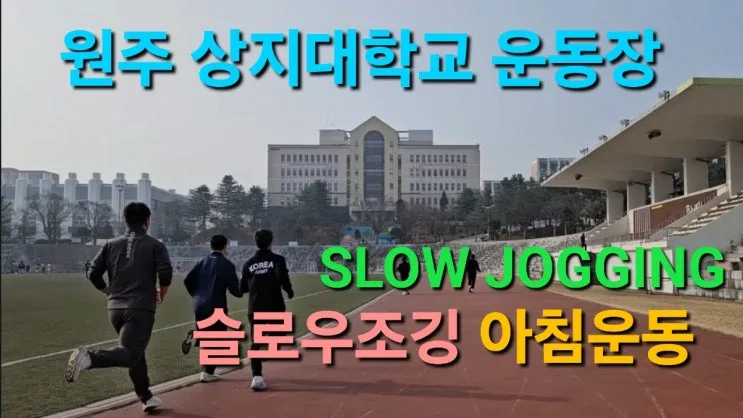
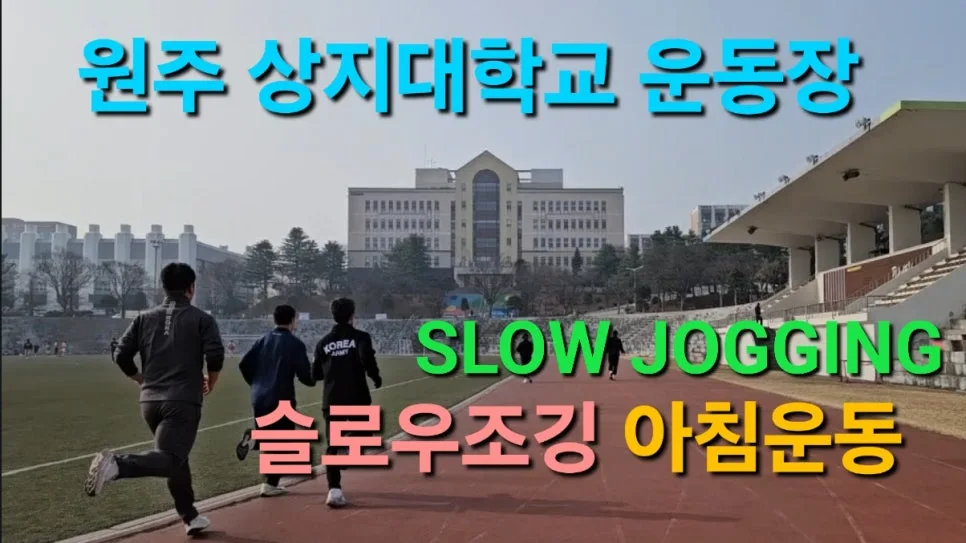
Slow jogging | slow jogging
A recommended workout for a healthier body and mind
Words and photos by Earth Village Field Mouse
Hi, I’m Earth Village Field Mouse, a travel blogger currently working hard on knee rehab. Today, I wanted to talk about exercise for a change.
Have you ever heard of #slowjogging?
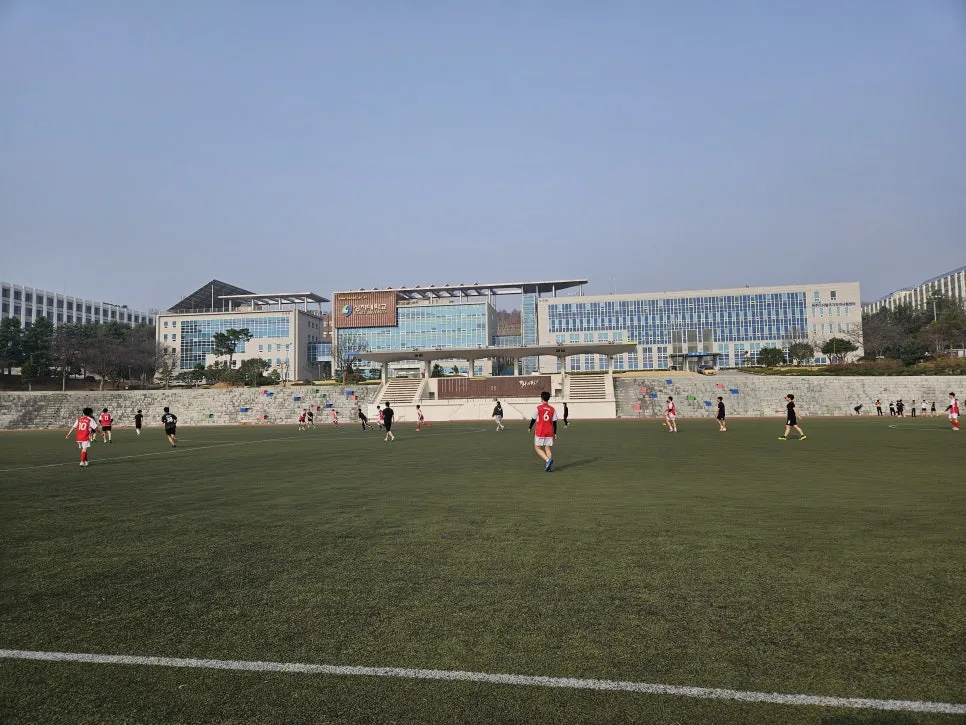
This is the main stadium track at Sangji University.
There’s a running track here, and this is where I decided to try jogging.
Slow jogging sits somewhere between walking and running. It’s widely known as a great low-impact workout that helps build stamina and improve cardiovascular health without putting too much strain on the body.
Lately, more people seem to prefer a gentler, more sustainable jog instead of pushing themselves to run fast.
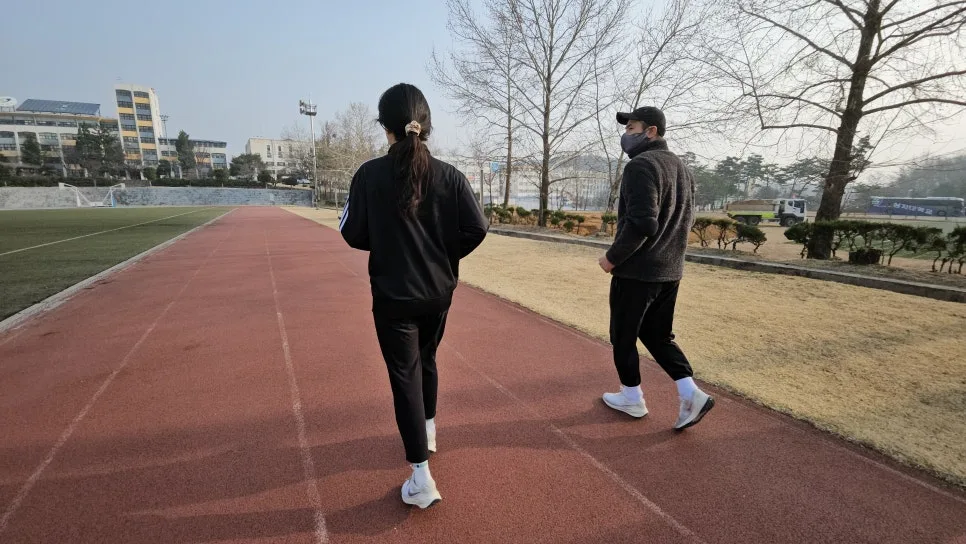
That’s exactly why slow jogging has become so popular: it’s easier on the body, but you still get plenty of benefits. Today, I’m sharing my firsthand #slowjogging review, including pace, speed, and the effects I noticed myself.
1. The key to slow jogging: proper form and pace
Before you start slow jogging, the most important thing is your posture. If your form is off, jogging can actually lead to injury instead of helping you.
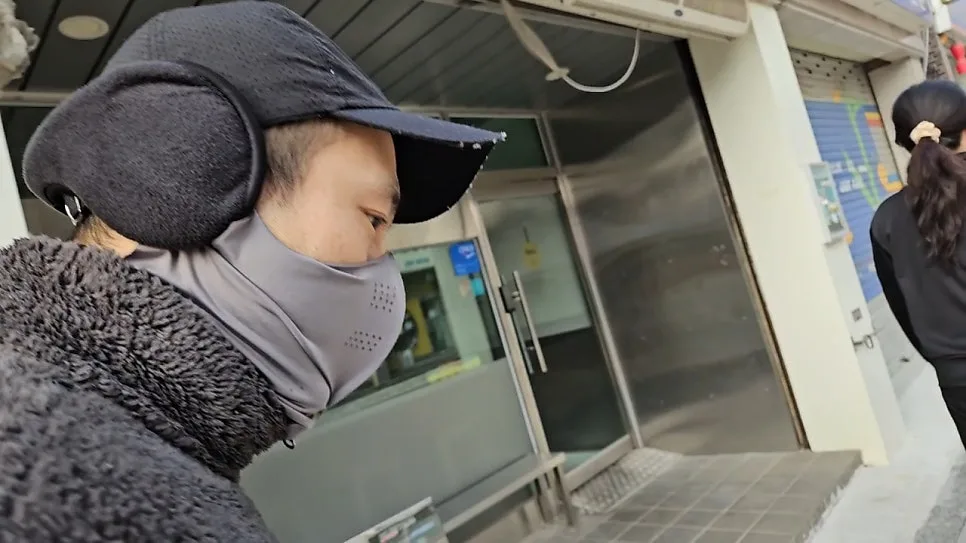
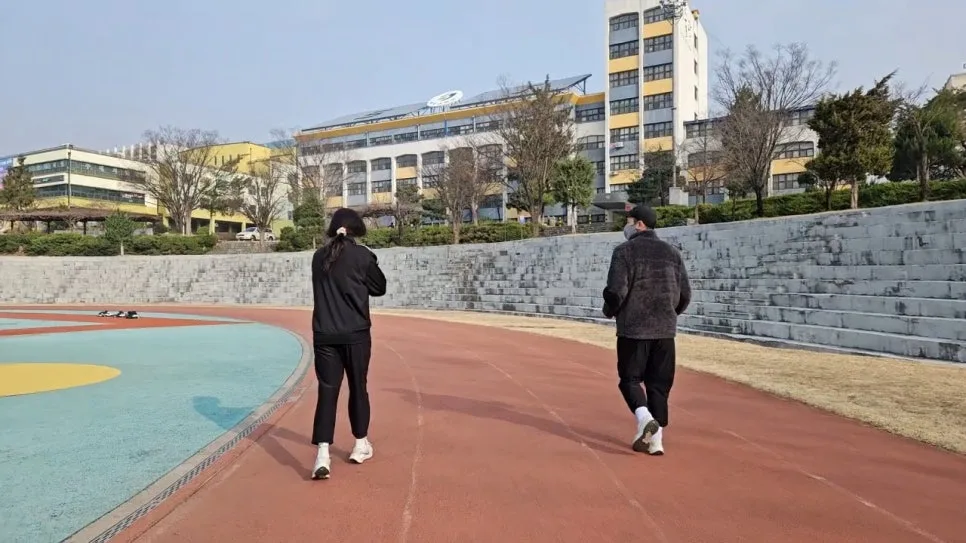
First, keep your body upright in a straight line, and look forward as you run.
Let your arms rest naturally below your navel, avoid lifting your knees too high, and land softly on the balls of your feet. It also helps to keep your toes pointing straight ahead.
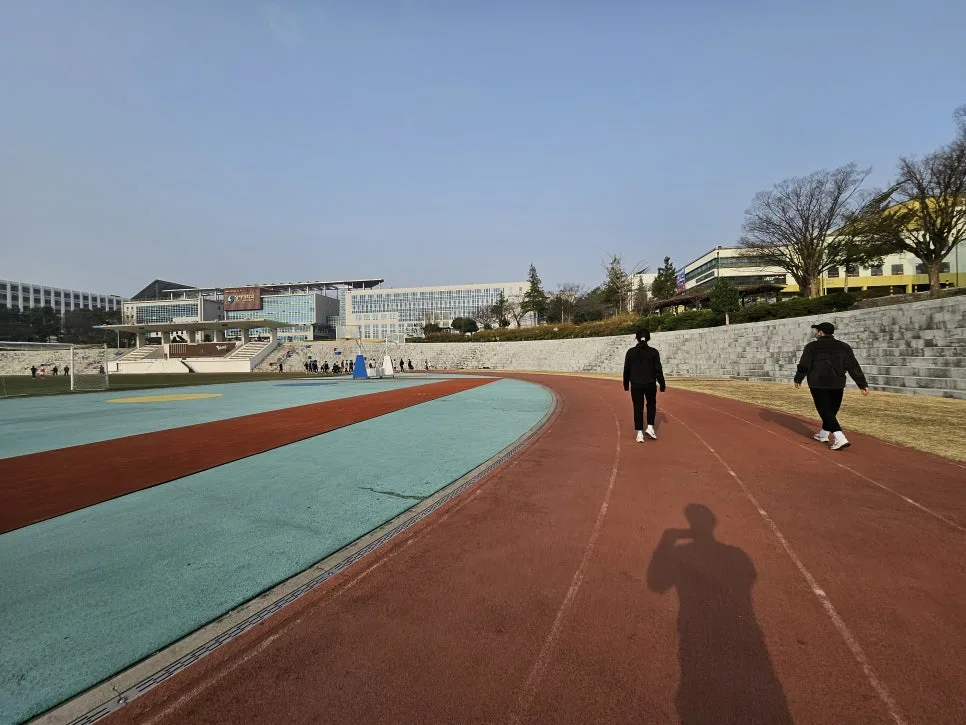
#slowjoggingspeed varies from person to person, but in general, a speed of around 10 to 12 km/h is often suggested.
That said, what matters more than speed is keeping things comfortable enough that you’re not out of breath. Starting at a 12-minute pace is totally fine, and then you can gradually work your way toward a 9-minute pace depending on your condition.
The key is not to go too fast, but to find a rhythm that feels right for you.
I’ve actually had knee surgery three times, so this kind of workout really suits me.
In a separate post above, I wrote about why I had those surgeries and kept a record of the whole experience.
Anyway,
let’s get back to the #workouttalk.
Slow jogging and its many benefits
If you stick with slow jogging consistently, you can enjoy a lot of positive #slowjoggingbenefits.
First, it strengthens your heart and lungs. When you jog steadily at a low intensity, your cardiovascular system improves, which can leave you feeling more energized in everyday life. It’s also a big help for maintaining overall heart health.
Second, there’s #musclebuilding. #slowrunning is especially effective for developing lower-body muscles evenly, including your knees, thighs, and calves.
If you take it slow and don’t overdo it, your muscles can build gradually and your body can get stronger with less risk of injury.
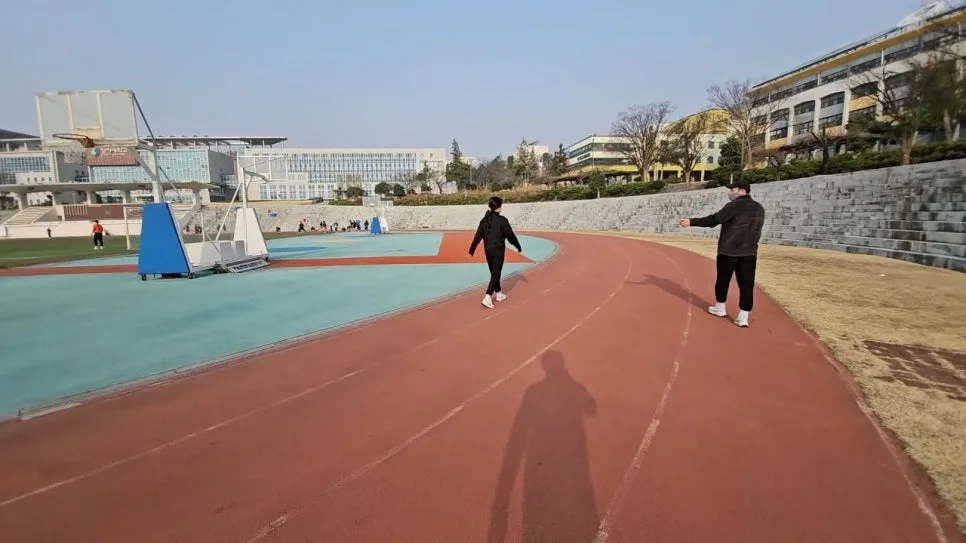
Third, it helps with stress relief and mental health. As most people know, #running naturally has a way of lifting your mood.
During exercise, your body releases endorphins, the so-called happiness hormones, and they’re incredibly effective for relieving stress.
Slow jogging is especially nice because it calms your mind without putting heavy stress on your body. After a session, you feel lighter, brighter, and ready to wrap up the day with more positive energy.
Enjoying slow jogging on a track
You can do slow jogging almost anywhere outdoors, but if you want to maximize the workout, I think doing #slow jogging on a track is a great option.
A track has a flat, consistent surface, which lowers the risk of injury, and the surroundings are usually comfortable enough to help you stay focused.
For example, my younger sibling and their spouse do slow jogging on the track at #WonjuSangjiUniversity #SangjiUniversityTrack, and they really bounce along in their own easy rhythm.
I recommend about 30 minutes. If you keep jogging steadily for half an hour, your thighs and calves will gradually get more stimulation and grow stronger over time.
Finding your own slow jogging pace
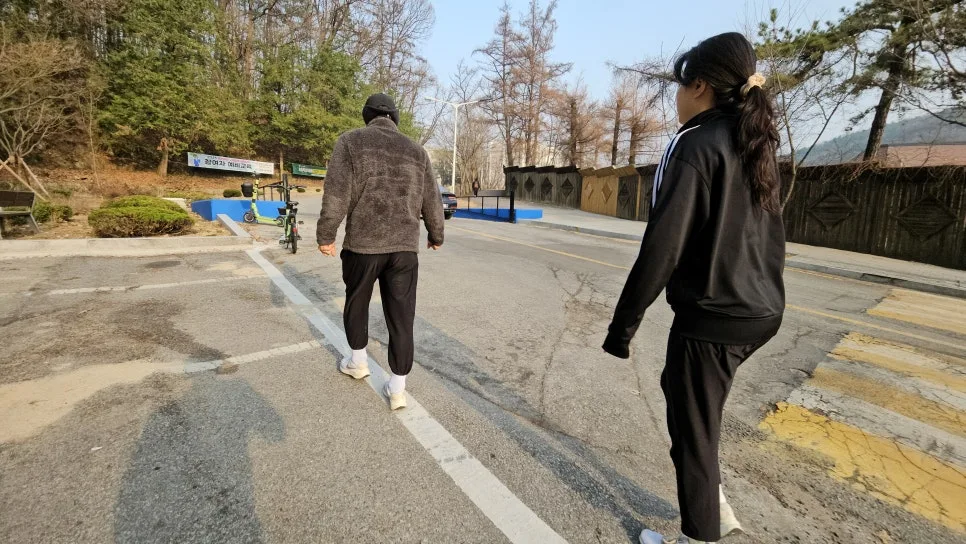
When you first start slow jogging, it can be surprisingly hard to figure out the right speed. If that sounds familiar, try using a smartwatch or fitness device.
A wristwatch that lets you check your #slowjoggingpace can help you understand your speed much more accurately.
Start with a 12-minute pace, then gradually aim for a 9-minute or even 8-minute pace as your body adapts 🙂
(This is a budget-friendly public indoor swimming pool and gym that I stop by whenever I’m in #Usan-dong, Wonju: the Workers’ Welfare Center in Usan-dong.)
So that’s my quick introduction to #howtod oslowjogging today. Since this is a jogging style that even I can do after knee surgery, I really think it’s an easy workout for almost anyone to start.
I especially recommend it for anyone who feels pressured by fast running or worries about getting injured.
A lot of people seem curious these days about #slowjoggingdiet, so I put together this video and blog post as my #slowjoggingreview.
Personally, I think the most important thing in any workout is finding your own pace and sticking with it consistently.
If you’re a student or office worker living near #Usan-dong, Wonju, try getting some exercise on the track and taking care of both your body and mind. I’m sure you’ll start to feel your own slow jogging benefits for yourself.
Basic gear checklist for jogging