Book Review | My Family During the Japanese Occupation |
A book that makes you think about your ancestors’ history—and how descendants should respond to it
Written by
Freelance journalist Kim Juyoung | Earth Village Mouse
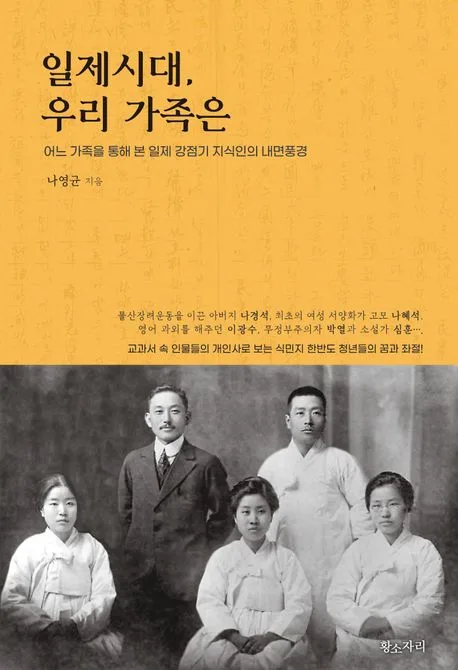
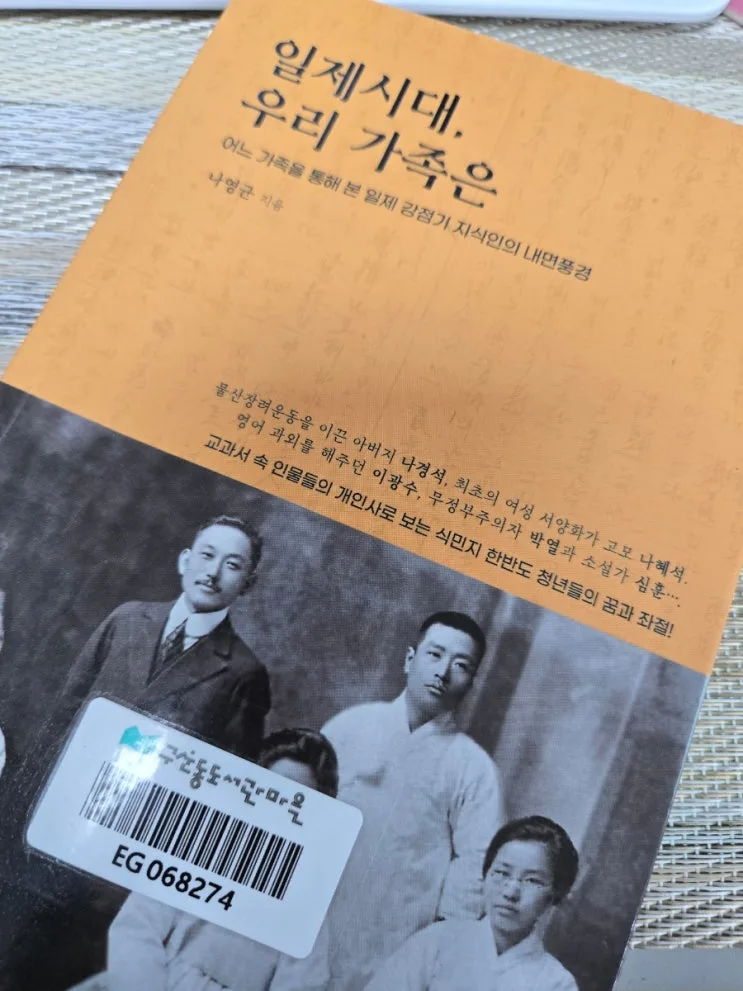
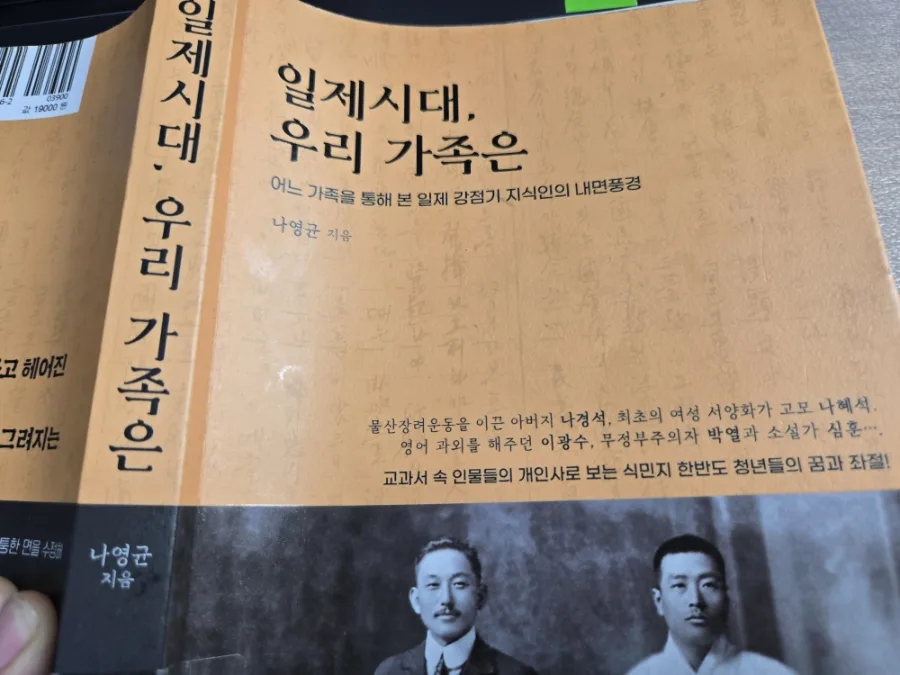
Just before Liberation Day, I came across My Family During the Japanese Occupation by Na Young-gyun at the library. It was first published in 2004, but 21 years later, in 2025, it was reissued in a revised edition timed to Liberation Day.
As I was reading, I also saw news about controversy over a celebrity’s family history and pro-Japanese ties, along with reports that the Investigative Commission on Pro-Japanese Collaborators’ Property will relaunch this December. That made this book feel far more than a memoir about one family’s past. It felt strikingly current—a book that asks how we should face the history of our ancestors and the legacy we inherit.
My Family During the Japanese Occupation review: key takeaways
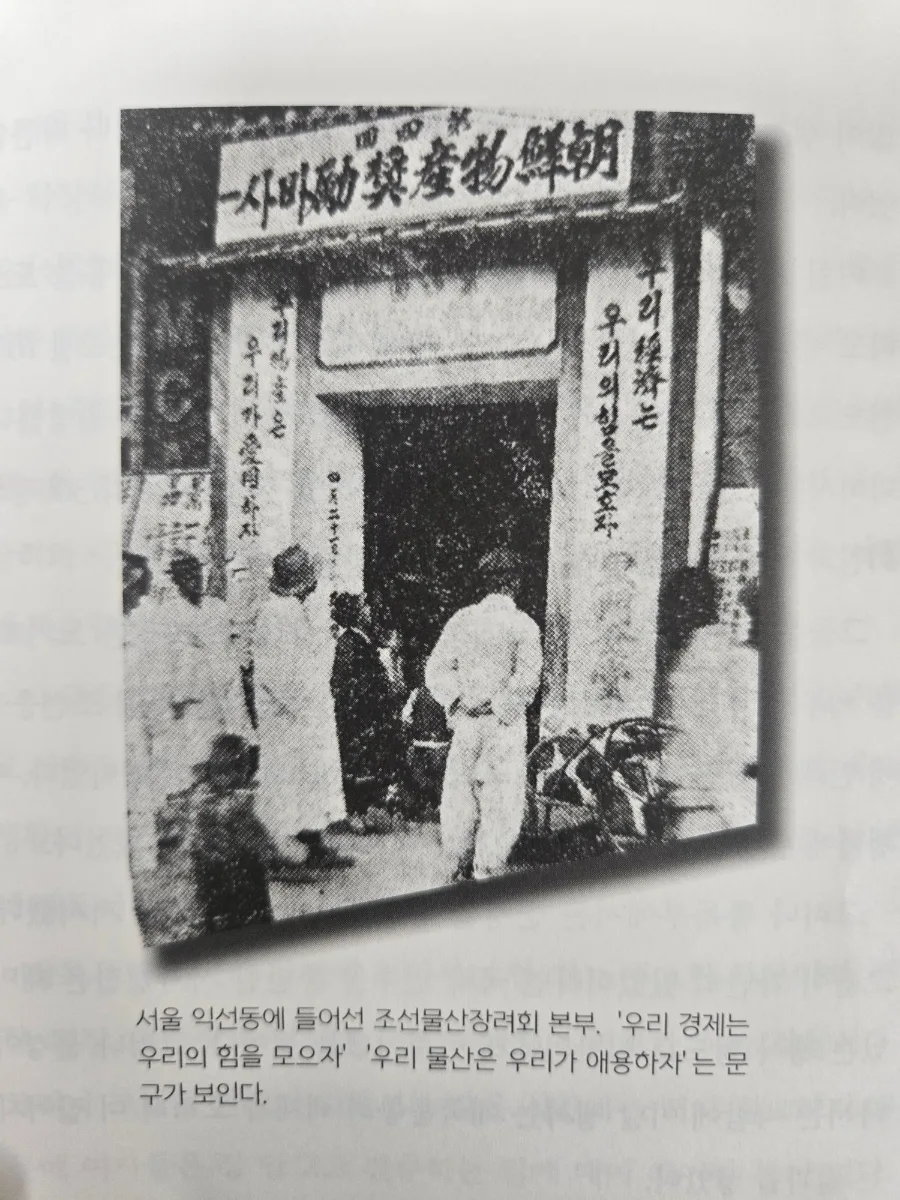
The headquarters of the Korean Products Promotion Society in Ikseon-dong, Seoul, South Korea
The author’s father, Na Gyeong-seok, was one of the key figures in the Korean Products Promotion Movement. Photo from the book, p.127 © Taurus Publishing
A family history centered on siblings Na Gyeong-seok, who took part in the Korean Products Promotion Movement, and Na Hye-sok, Korea’s first female Western-style painter
A memoir that captures resistance and compromise, ideals and disappointment among intellectuals during the Japanese colonial period
The everyday faces of major figures in modern Korean history, including Yi Gwang-su, Sim Hun, Park Yeol, Kim Seong-su, and Song Jin-woo
A book that looks at the independence movement, socialist activism, pro-Japanese collaboration, and the post-liberation political landscape from multiple angles
More than judging ancestors’ mistakes, it pushes readers to think about how descendants should face that history
A memoir that doesn’t record only a family’s glory
Books about family history can easily turn into polished tributes that glorify one’s lineage. But Na Young-gyun doesn’t romanticize her father or her family as flawless heroes.
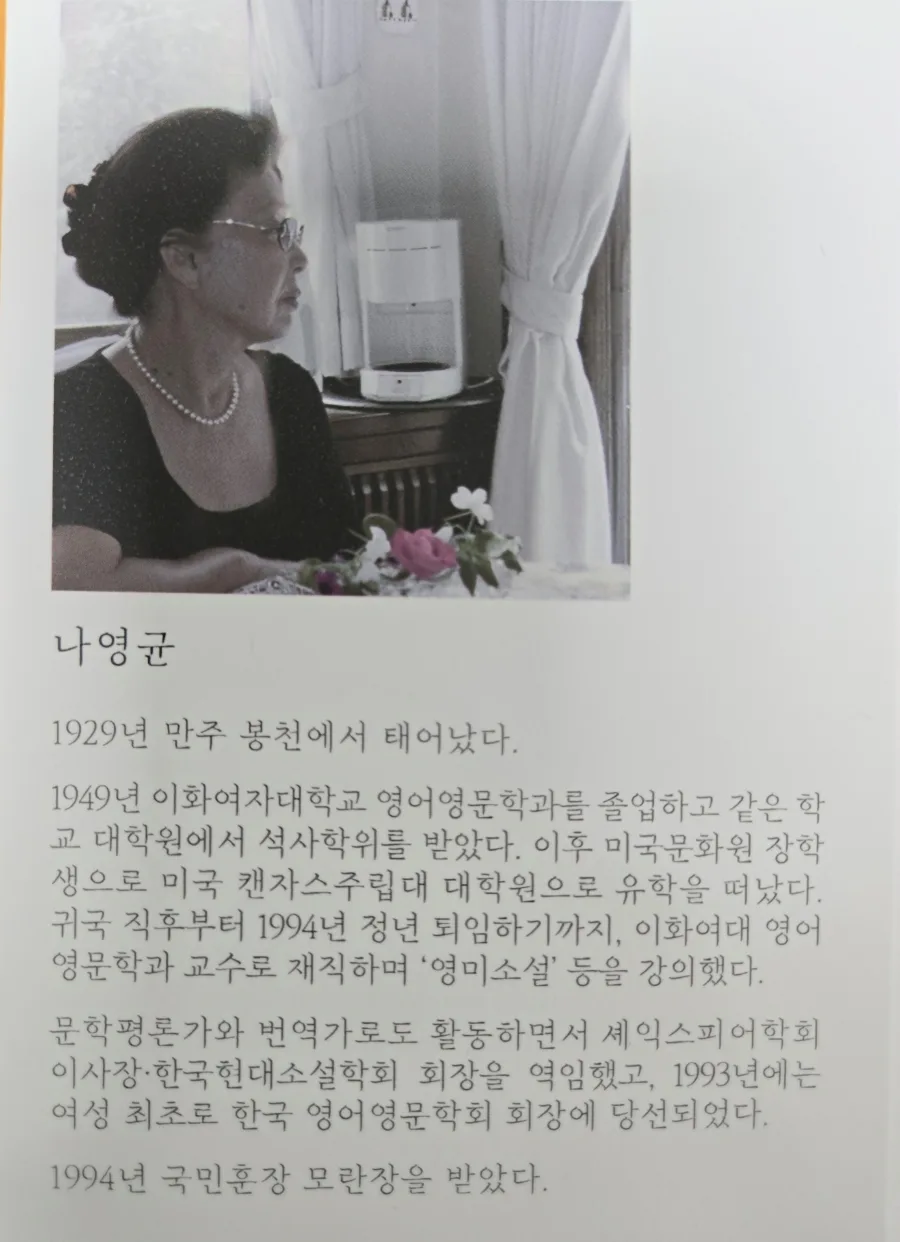
Author Na Young-gyun
Emeritus Professor of English Literature at Ewha Womans University © Taurus Publishing
While documenting her father Na Gyeong-seok’s independence activism and social engagement, she also shows his frustration and helplessness.
She doesn’t hide the privileges enjoyed by a wealthy elite family at the time, either. The contradictions and inner conflict of intellectuals who had to survive while entangled with colonial power come through with unusual honesty.
That’s why this book is not filled with perfect heroes—or people who remain one thing from beginning to end.
Some people held positions within the Japanese imperial system while secretly helping independence activists hide or smuggle in weapons. Others once called for independence, only to collaborate with the colonial regime later. Socialists, liberals, nationalists, and anarchists imagined very different futures, yet still crossed paths under the shared goal of Korea’s independence.
What impressed me most about this book
We read history already knowing the outcome. We know who became independence activists and who ended up collaborating with imperial Japan.
But the people living through that era had to make choices day by day without knowing how the story would end. In a moment when it was hard to be certain what the right path was, they had to risk their wealth, knowledge, careers, and their families’ safety.
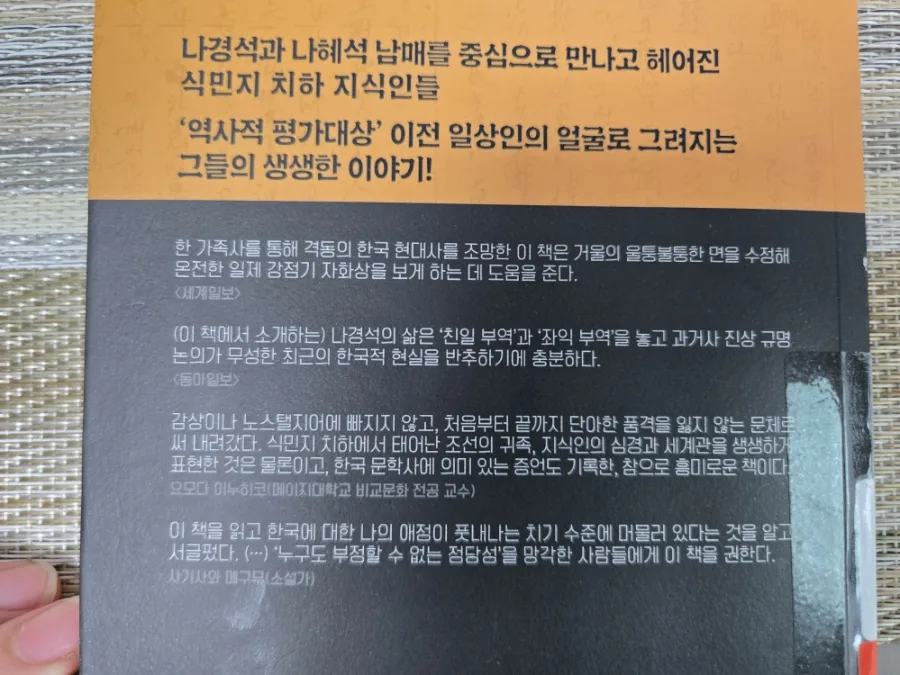
That said, not every choice can simply be excused as the fault of the times. Under the same oppression, some people offered their money and learning to the independence movement, while others gained status and wealth by cooperating with colonial power.
The path to each decision may have been complicated, but this book makes it clear that the consequences of those choices do not simply disappear.
Tragedies that did not end after liberation
Liberation did not solve everything. The book also briefly touches on the National Defense Corps Incident and the Geochang civilian massacre during the Korean War.
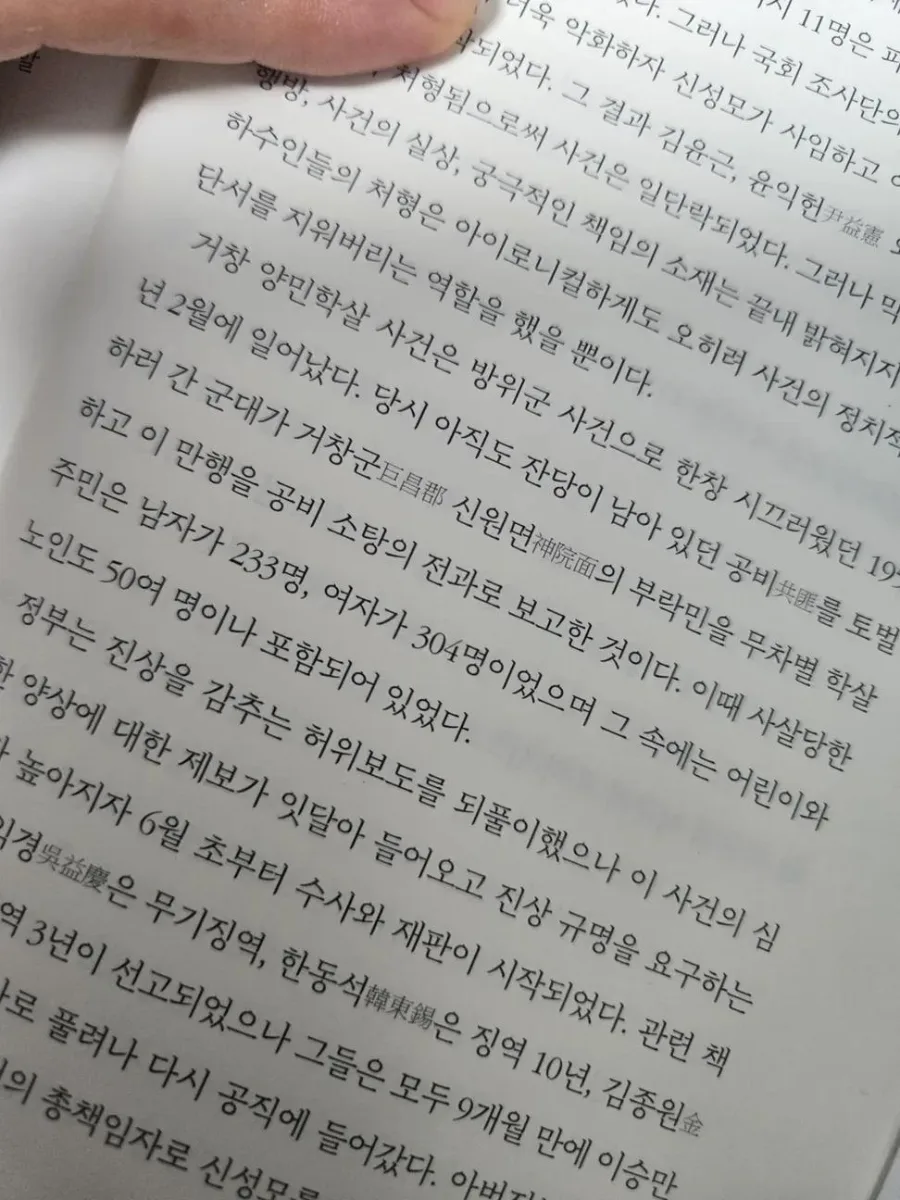
Even when the country was on the brink of collapse, some in power siphoned off the money and supplies meant to protect the people, and innocent civilians were killed by state violence.
The post-liberation years, when people with independence credentials and people with pro-Japanese records were all tangled together, make it impossible to explain Korean history through a simple good-versus-evil framework.
After reading that section, I looked up the National Defense Corps Incident separately, and it was almost impossible to process how horrific it was—that corruption and betrayal from within existed even at the nation’s most desperate moment.
Can descendants be held responsible for their ancestors’ wrongdoing?
Recently, actress Ha Young introduced herself on a TV show as coming from “a fourth-generation family of doctors,” and that family story quickly turned into a historical controversy. Questions were raised about the past actions of Ahn Sang-ho, a doctor from the Japanese colonial period believed to be her great-grandfather. Her agency first denied the claims as baseless, then later apologized, saying it had responded without sufficient verification.

The facts and the scope of responsibility need to be verified carefully through credible sources. I don’t think it is right to demand that descendants bear the same blame—or give up their public careers—simply because their ancestors are controversial.
The Constitution of the Republic of Korea also states that no one should face disadvantageous treatment because of the actions of relatives. There should be no guilt by association.
That said, the conversation changes a little when someone presents family achievement and prestige as part of their identity. Once you claim inherited glory, it becomes fair to ask whether you can ignore the historical conditions that produced it.
You can’t selectively inherit the glory and refuse questions about the uncomfortable history behind it.
What matters is not the ancestor, but the attitude you show after learning the history
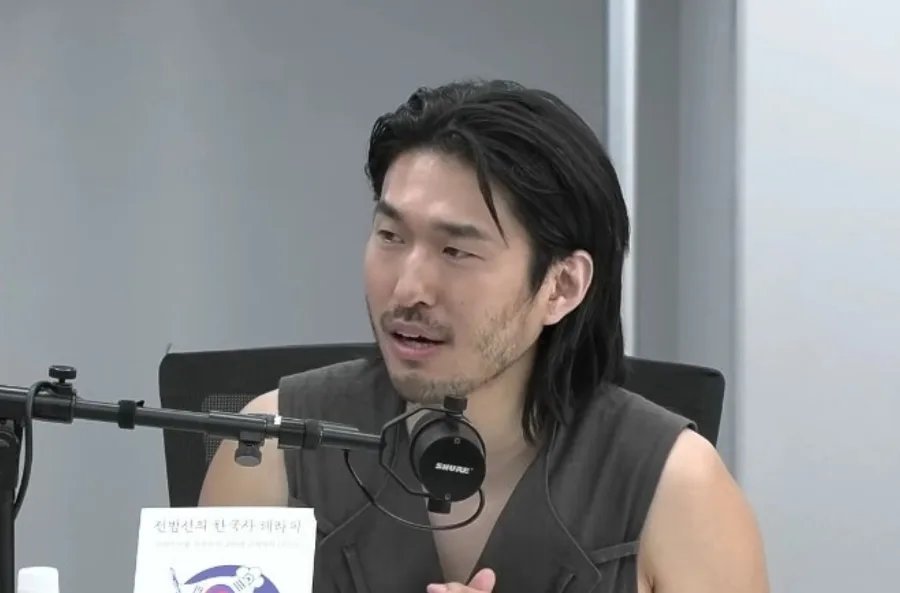
“He was Lee Wan-yong’s interpreter”: a discarded descendant from a pro-Japanese family speaks out | YouTube appearance on Mae-Bul Show
If someone truly didn’t know their family history, the first step is to verify the facts. And if they rushed to dismiss allegations as baseless before confirming anything, then that hasty response is what should be acknowledged first.
If the historical facts are confirmed, I believe honest apology and explanation should come before excuses. It is also worth examining whether wealth created through pro-Japanese anti-national collaboration was passed down through later generations, and whether inherited social capital could be used to support descendants of independence patriots or history education.
The same goes for donations or volunteer work. If they are to feel sincere, they cannot be one-time gestures meant to calm public opinion—they need to continue quietly over time.
If My Family During the Japanese Occupation had been a book that recorded only family pride, it would not have stayed with me the way it did. Na Young-gyun reveals not only her family’s accomplishments, but also its contradictions, disappointments, and the wounds left by the era. That honesty, more than anything, shows what it means to truly document family history.
A book still worth reading after Liberation Day
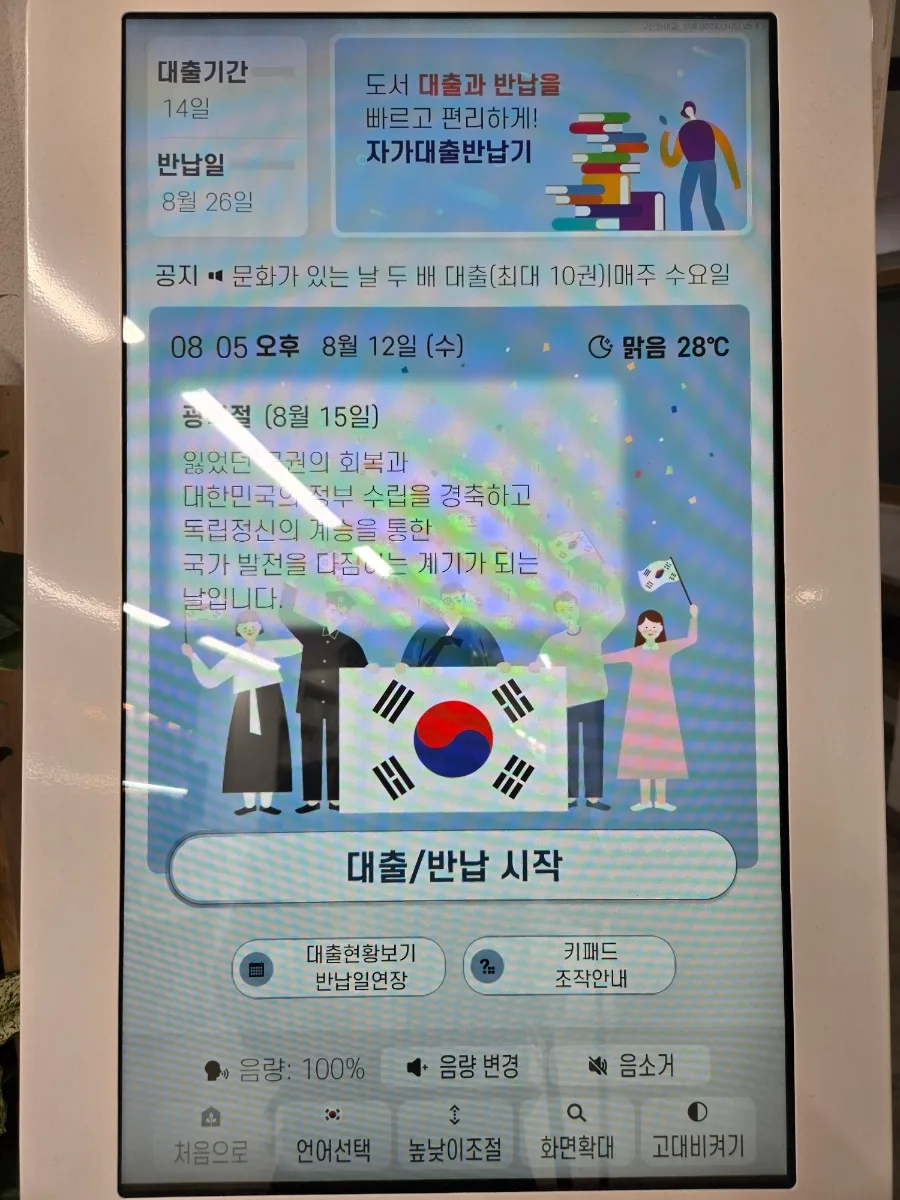
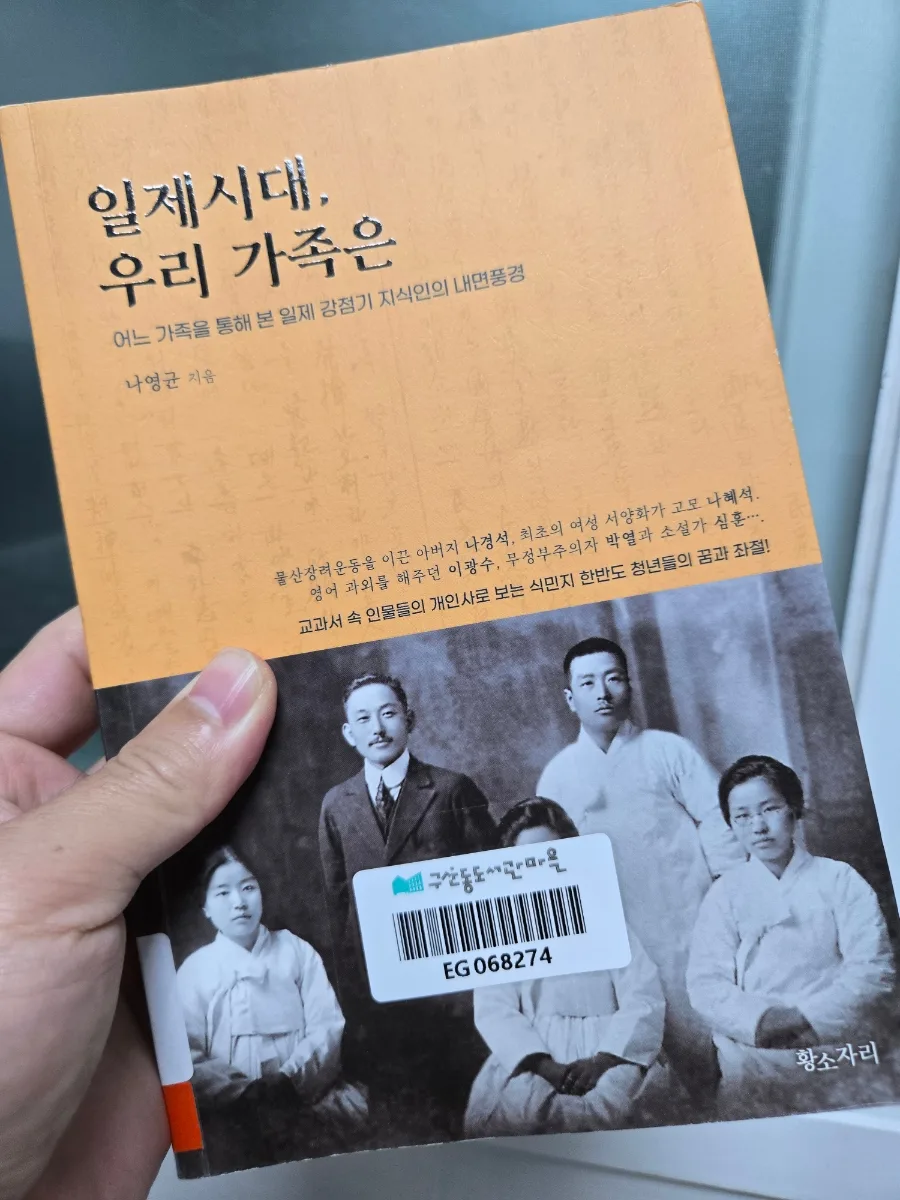
It has already been a year since the revised edition of My Family During the Japanese Occupation was published, and this year’s Liberation Day has also passed. But that doesn’t mean the right time to read this book has passed too.
History is not just an old record we pull out on national commemorative holidays. It also asks where our names, wealth, education, and social standing came from in the first place.
We cannot choose our ancestors. We do not need to carry their sins in their place. But we can choose how to remember their history—and what to do with what we have inherited.
In the end, what defines a person is not the name of their ancestors, but the attitude they show after learning that history.
My Family During the Japanese Occupation
Written by Na Young-gyun | Taurus Publishing | August 15, 2025 | 296 pages
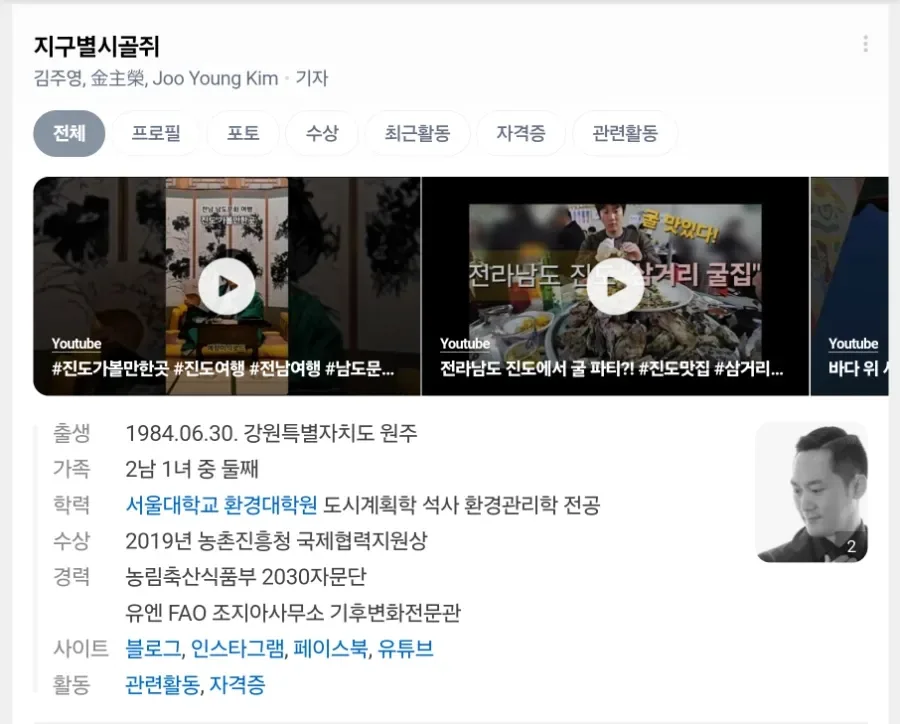
Written by
Travel-and-reading lifestyle blogger/YouTuber Earth Village Mouse
Thank you for reading.
I’ll keep uploading my travel videos on YouTube. Until then, happy travels, everyone.
#my family during the japanese occupation, #na young-gyun, #taurus publishing, #book review, #book blog, #reading journal, #book recommendation, #history book recommendation, #korean history books, #modern korean history, #japanese colonial period korea, #liberation day reading, #na hye-sok, #na gyeong-seok, #korean products promotion movement, #independence movement korea, #pro-japanese property restitution, #humanities books