This content was sponsored by the Ministry of Culture, Sports and Tourism.
It was created as part of the 3rd Kyeoreol Supporters program.
Best places to visit in Daejeon
Visiting the Daejeon Modern History Exhibition Hall in search of Kyeoreol
Words and photos by freelance journalist Kim Ju-young | Joonimism
A recommended Daejeon day trip stop
I thought it was just a Mr. Sunshine filming location, but…
My review of the Daejeon Modern History Exhibition Hall, where I came face to face with Kyeoreol
Hi there.
I’m Kim Ju-young, a freelance journalist. This year again, I’ve been documenting history-focused trips as part of the Kyeoreol Supporters program, while also continuing my travel blogger and YouTuber alter ego, “Joonimism.”
On this latest trip to Daejeon, South Korea, I found one place that stayed with me far longer than I expected.
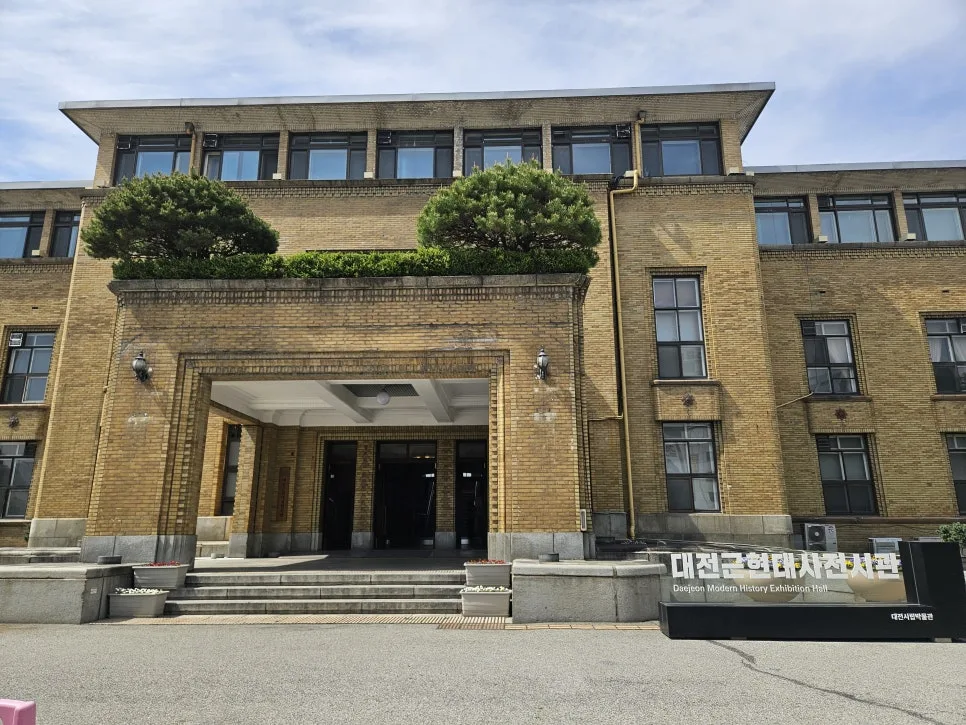
It was the Daejeon Modern History Exhibition Hall.
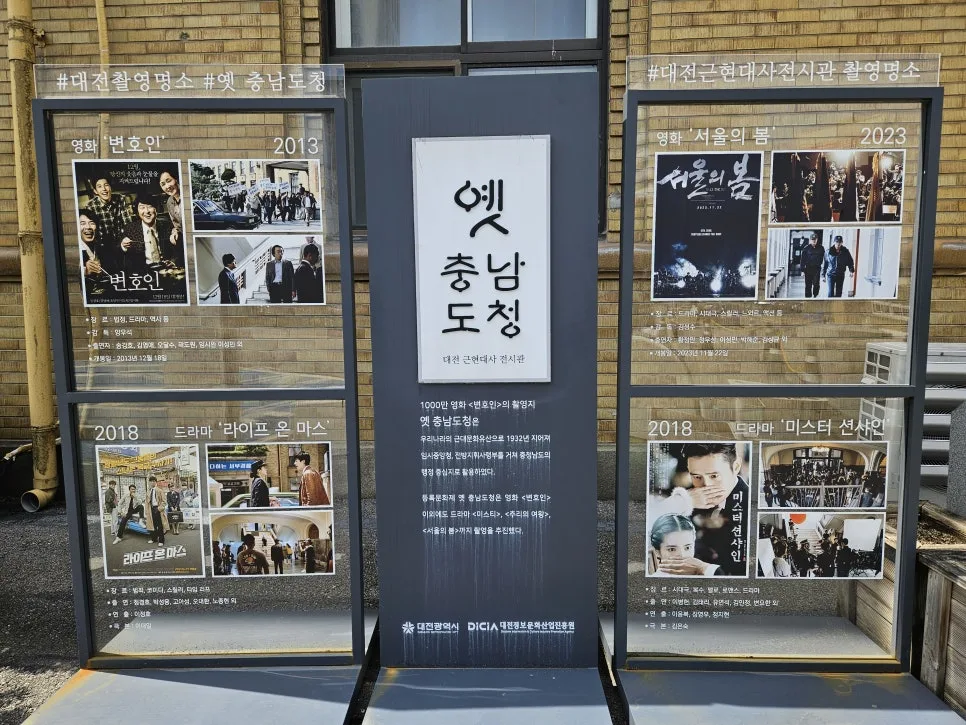
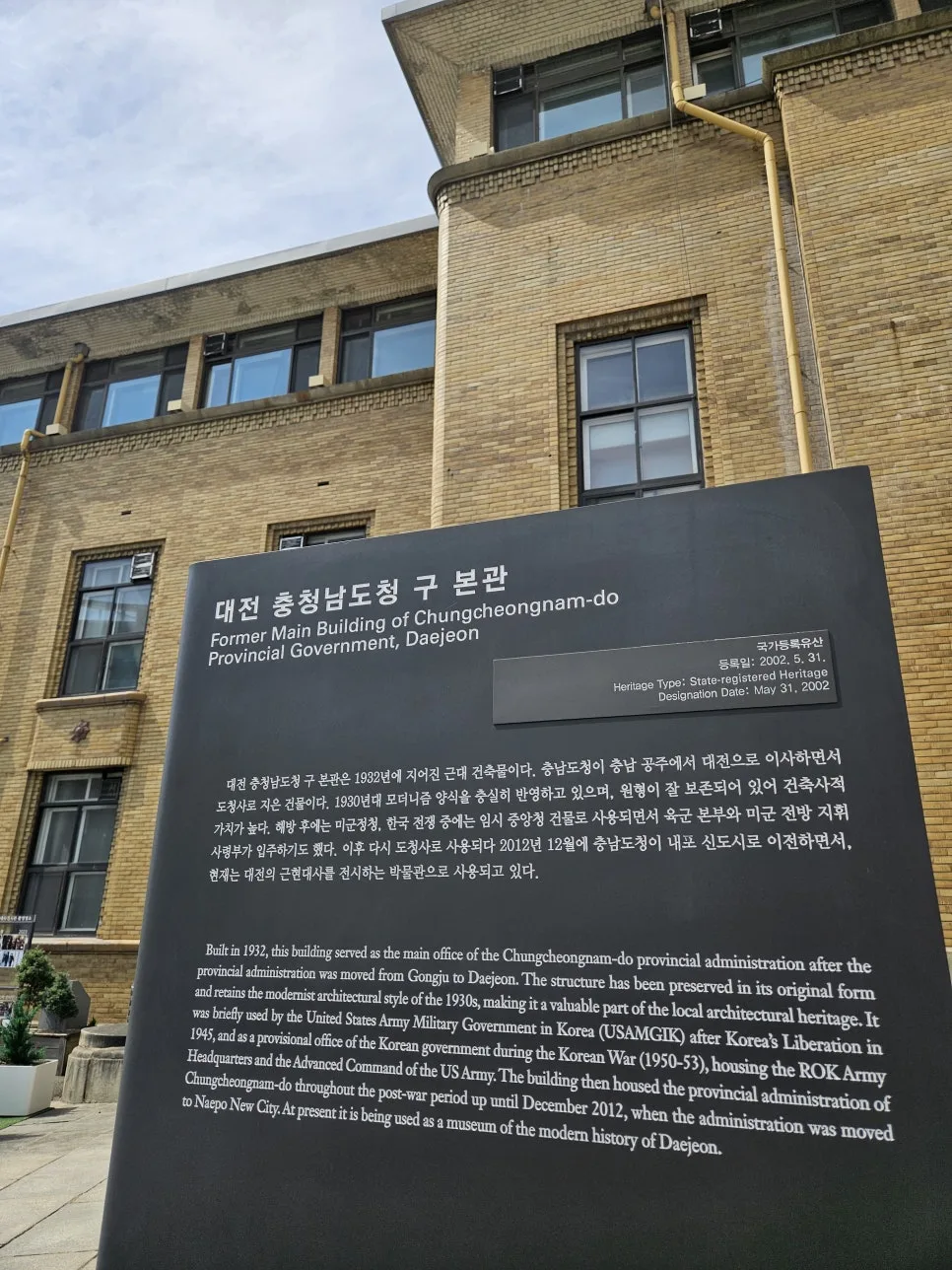
The building itself is a registered modern cultural heritage site in South Korea and was once used as the Chungnam Provincial Office.
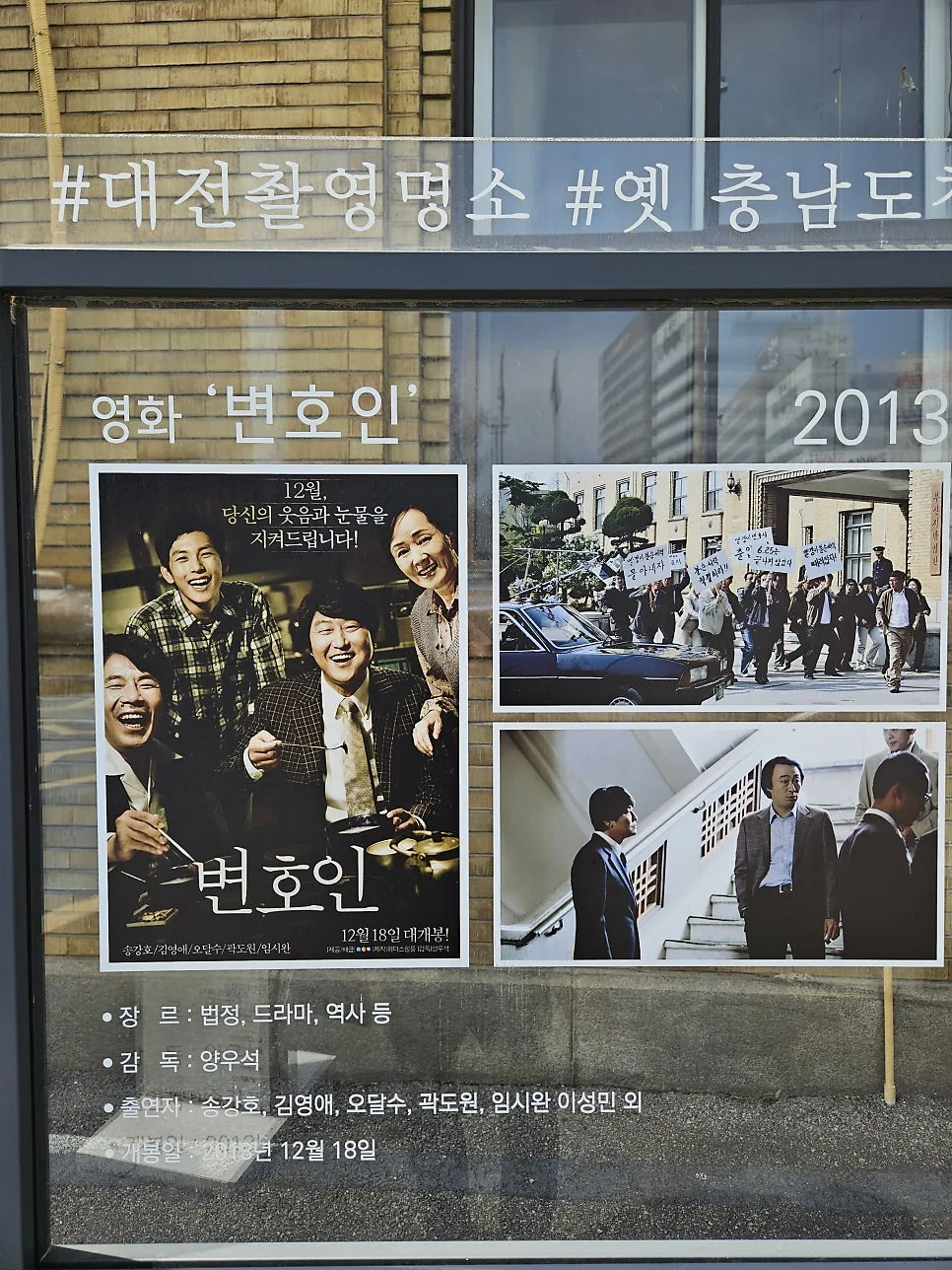
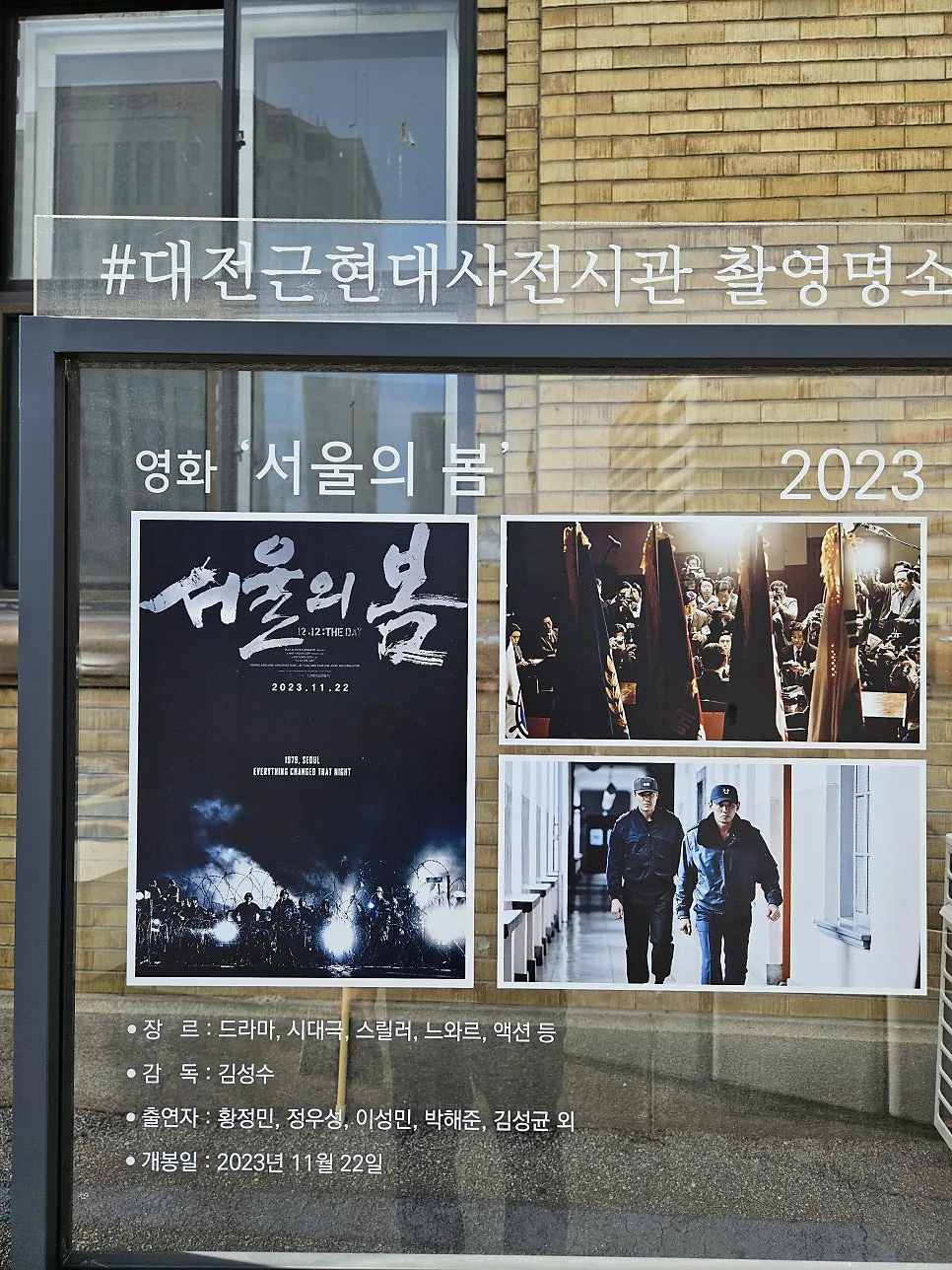
At first, I only knew it as a famous filming location for 12.12: The Day, The Attorney, and the drama Mr. Sunshine.
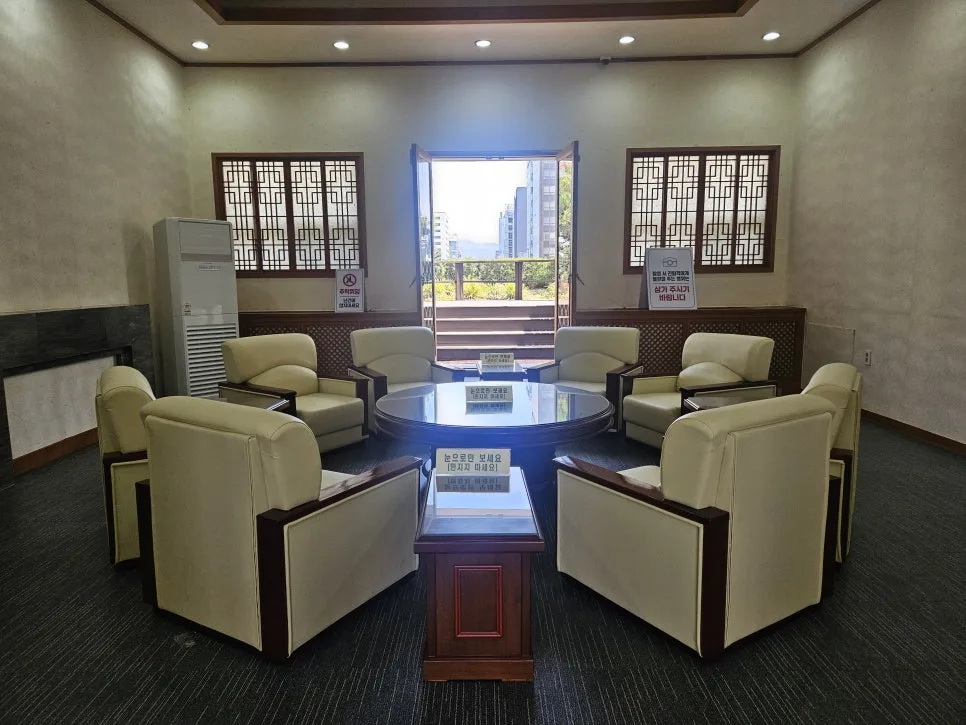
You’ve probably seen this space in movies before.
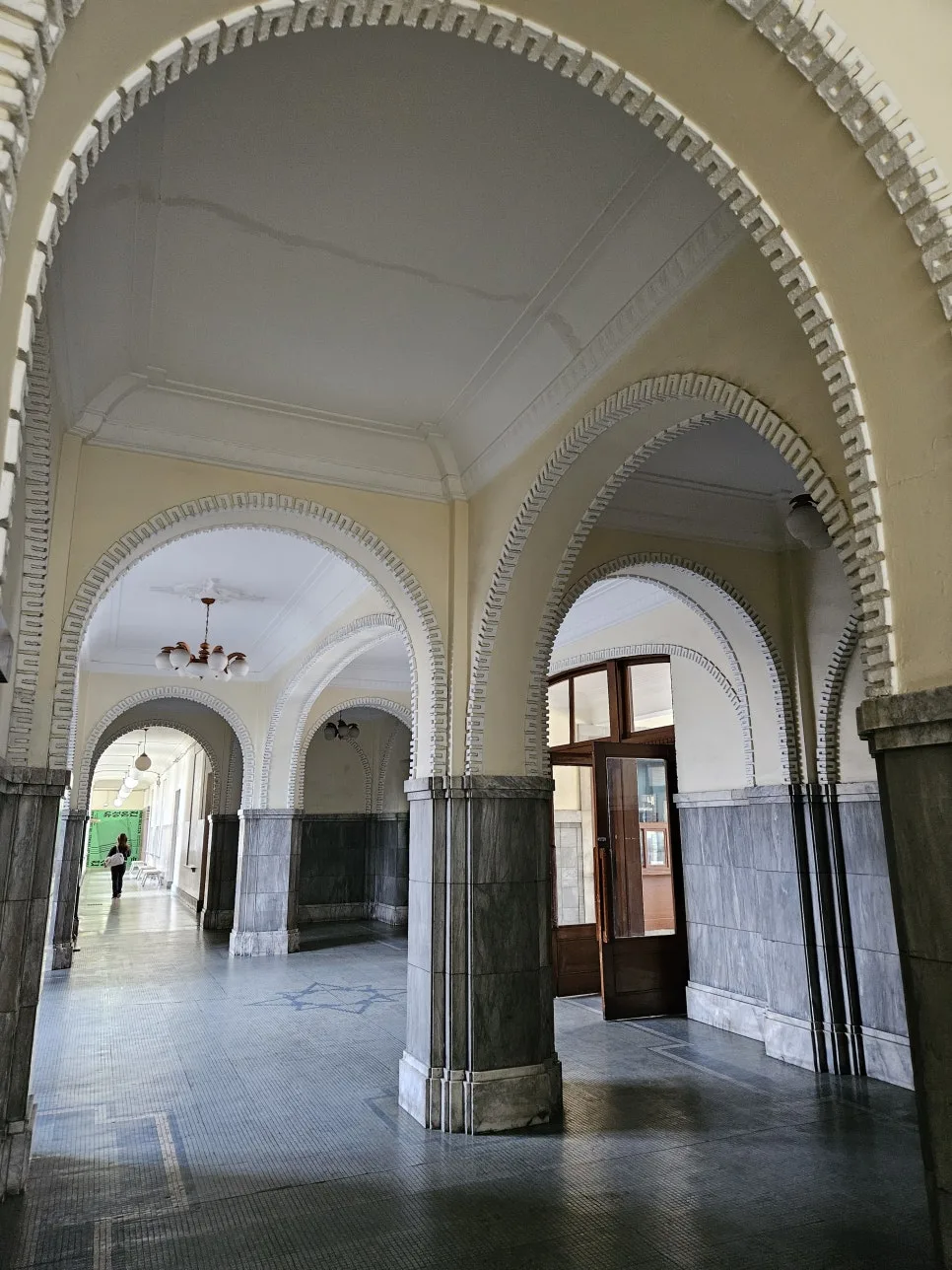
But the moment I stepped inside, it felt like much more than a filming spot. It became a place that made me think again about Daejeon’s independence movement, patriotic enlightenment efforts, and the idea of “Kyeoreol,” a national spirit we often forget in everyday life.
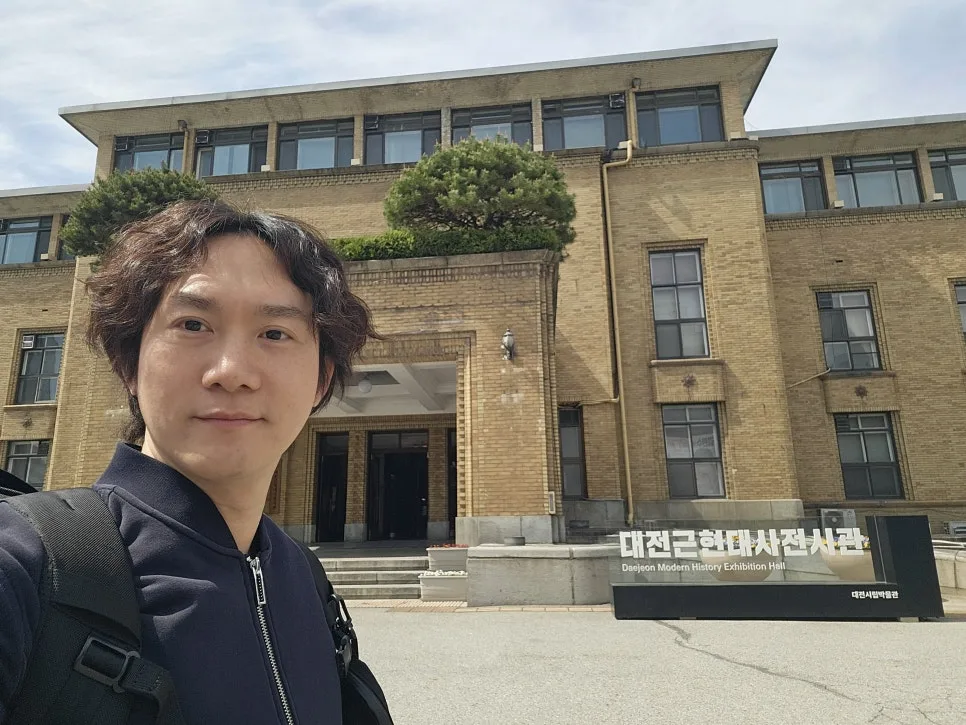
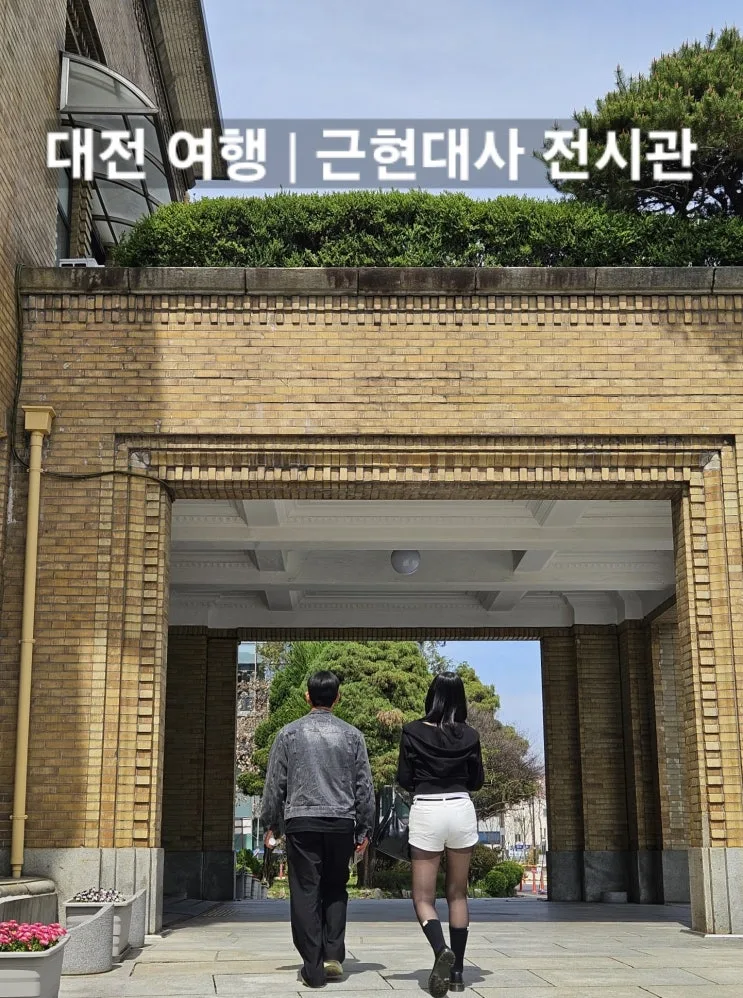
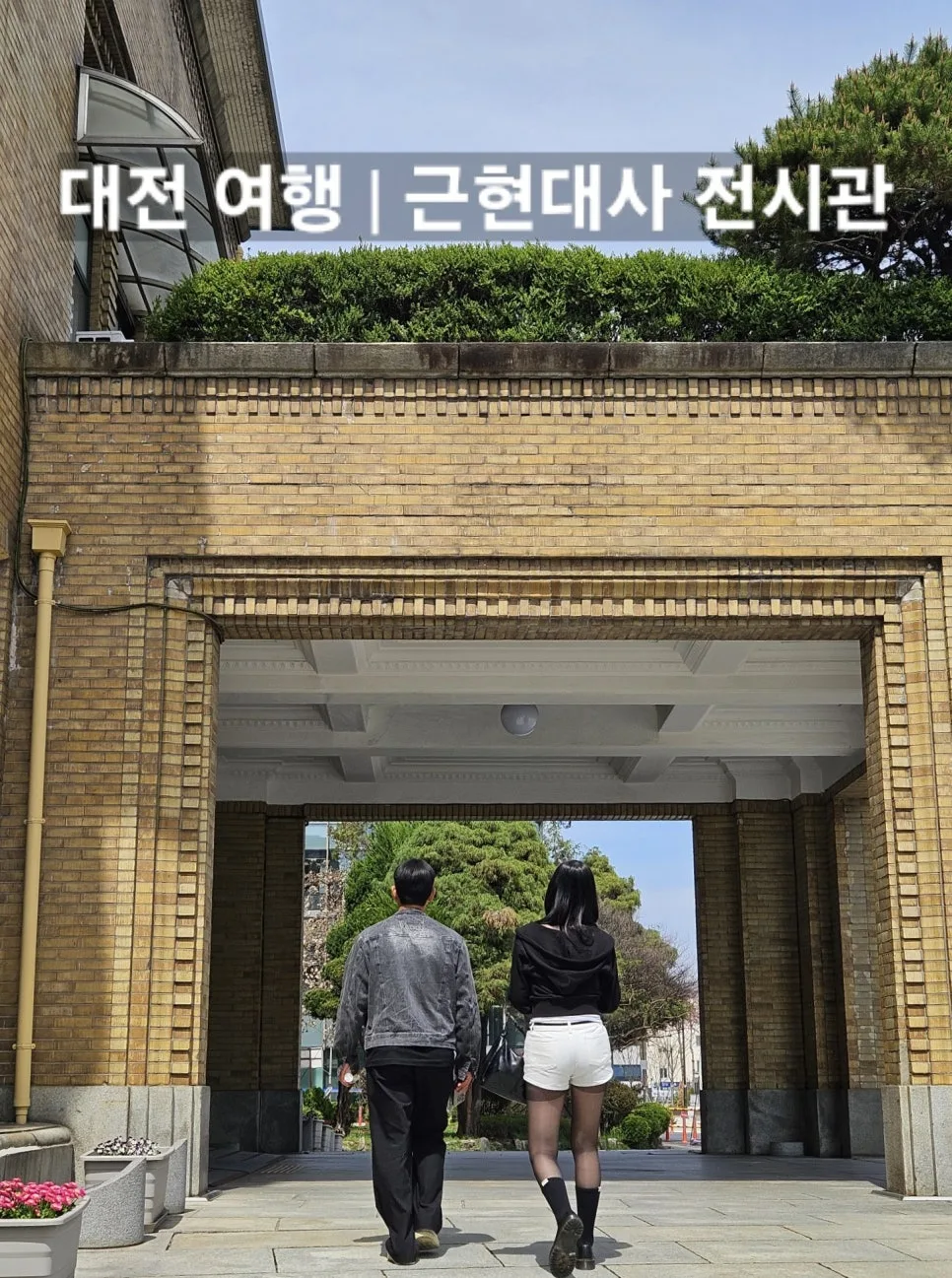
More than anything, the exterior is striking.
Since the exhibition hall uses the former Chungnam Provincial Office building, it has that gorgeous old-world atmosphere you only get from red brick and early modern architecture. The building itself is designated as a nationally registered cultural heritage property, so its historical value is undeniable.
Maybe that’s why so many film and drama crews have chosen this space over the years.
It especially matches the signature period mood of Mr. Sunshine, and I saw plenty of visitors taking photos while recalling scenes from the drama.
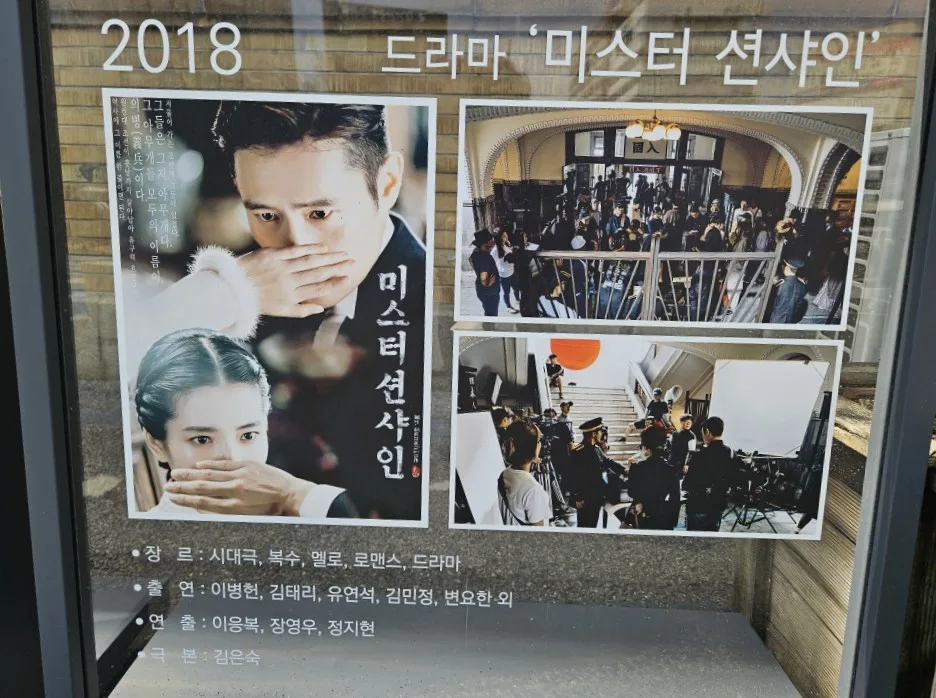
A photogenic spot with early modern Korean charm
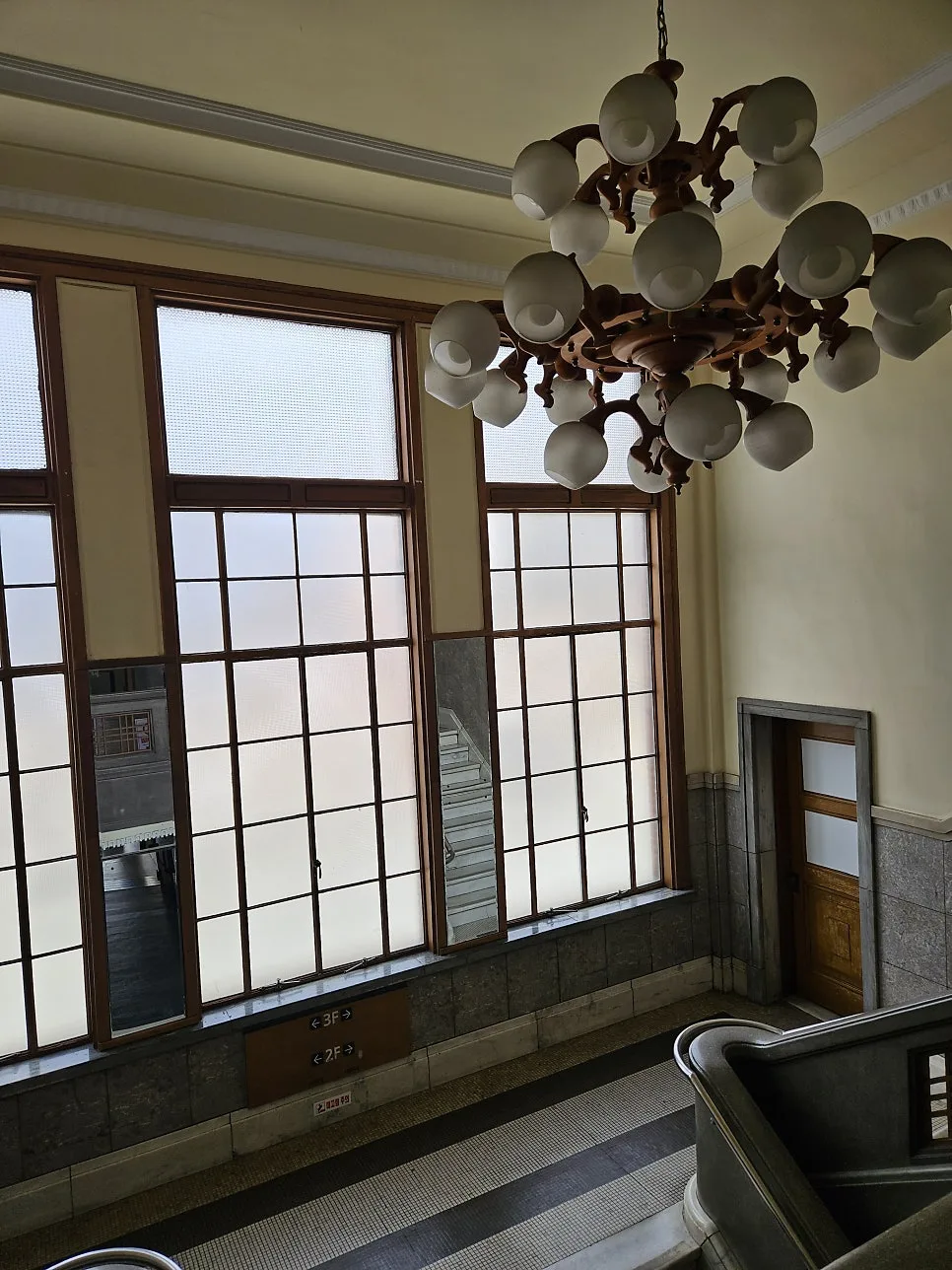
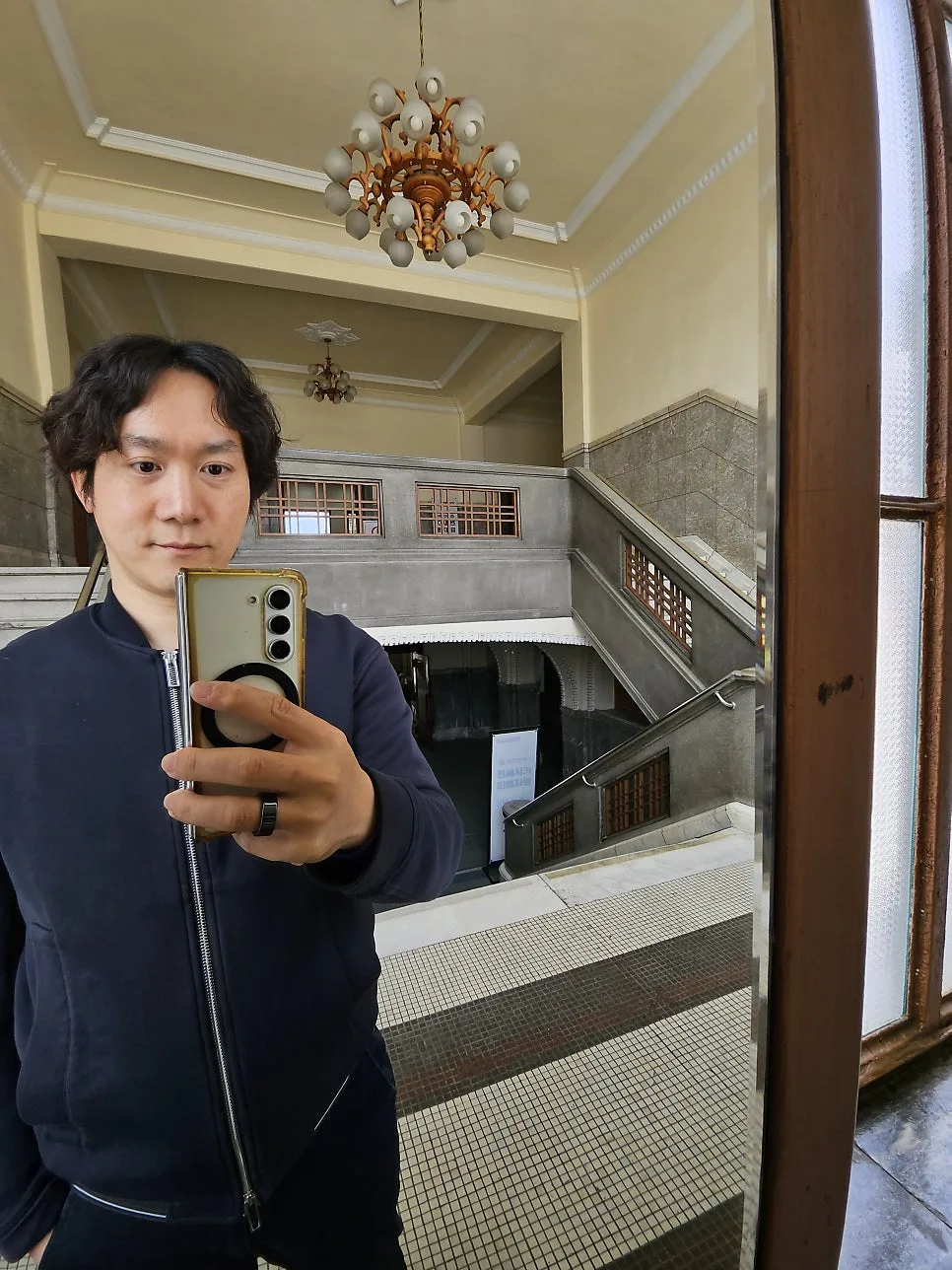
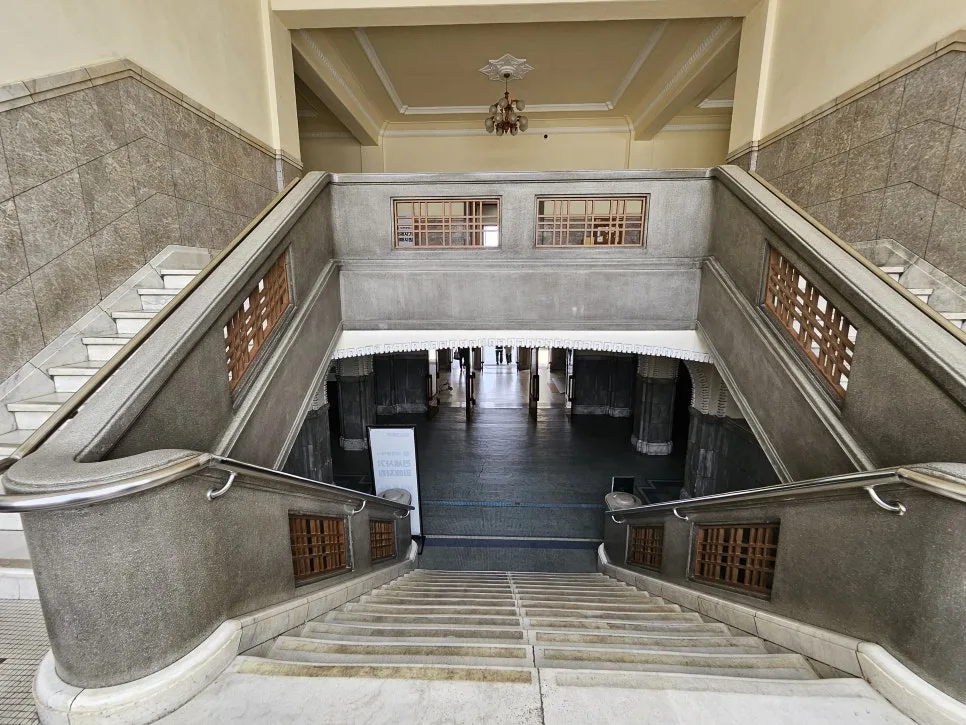
Once you head inside the exhibition hall, you’ll find long hallways, staircases, and mirror photo zones that really highlight the building’s historic architecture.
The mirror photo spot, especially popular with women, makes total sense once you see it in person. The reflection captures the interior of the old Chungnam Provincial Office behind you, and the photos come out incredibly atmospheric.
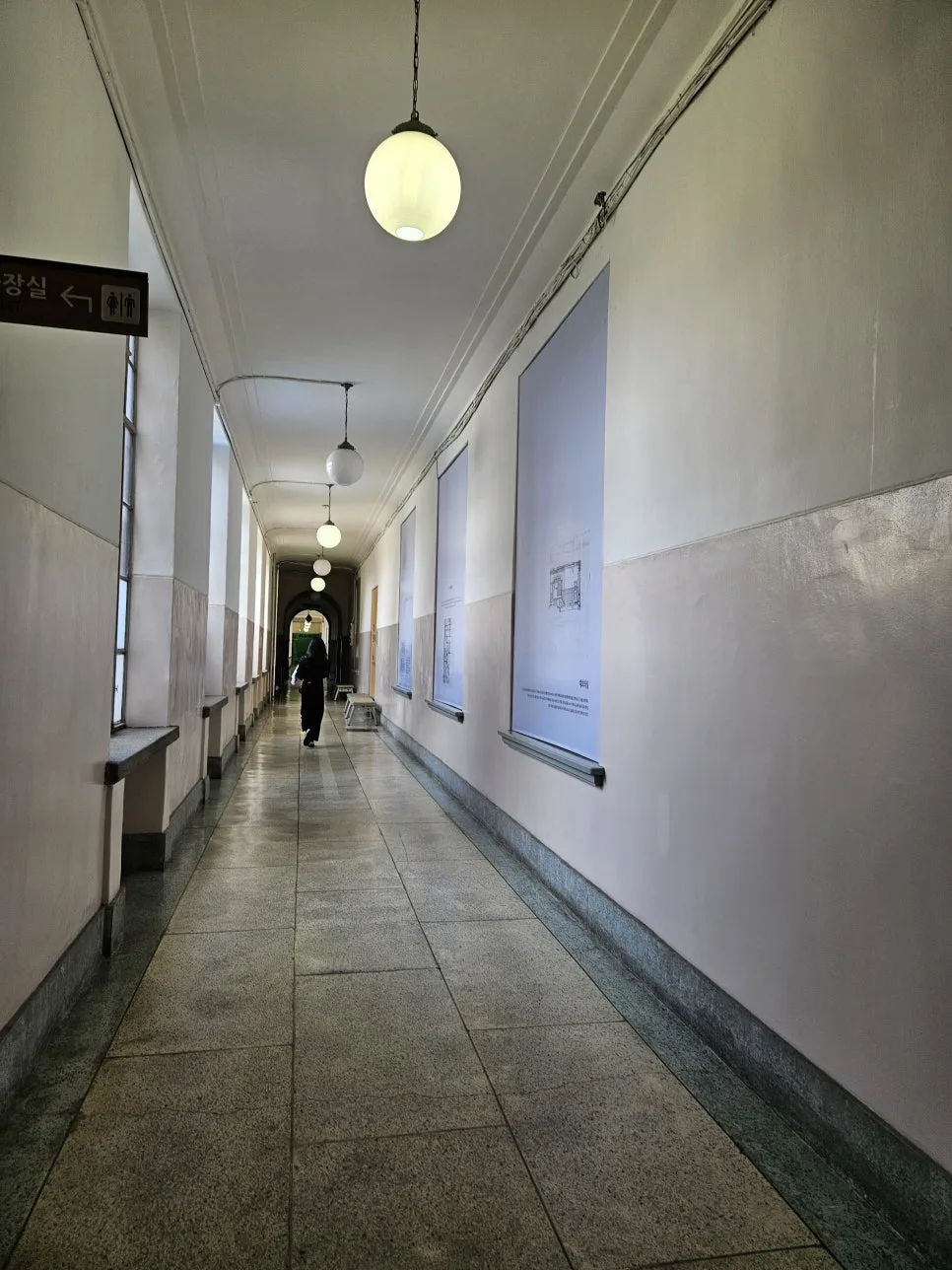
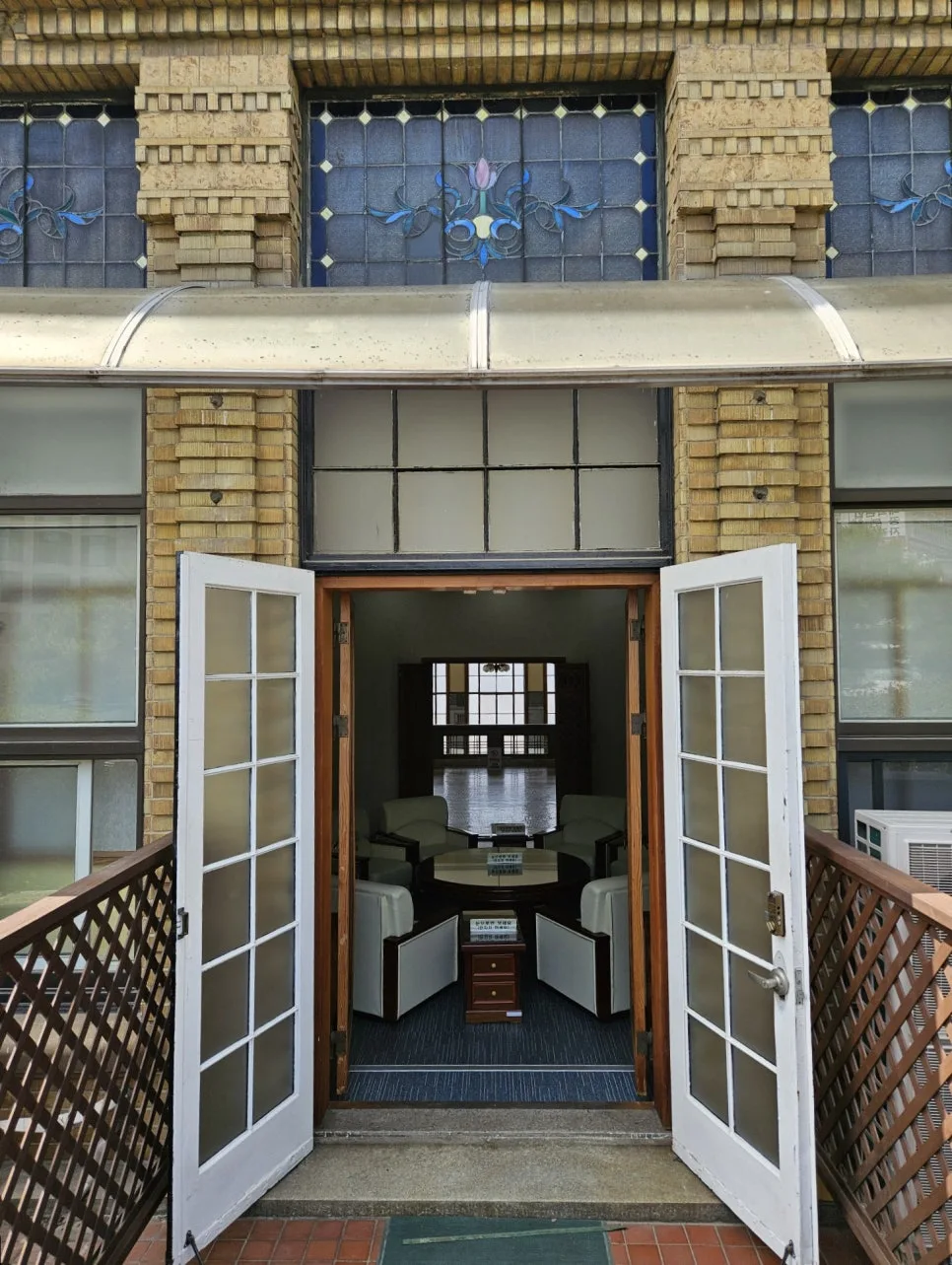
Personally, this didn’t feel like just another history museum. It felt more like a doorway where time pauses for a moment and you step into the past during your Daejeon trip.
And surprisingly, admission is free.
After the Eulsa Treaty,
Daejeon’s fierce independence movement
A lot of people probably come here for the photo spots, but it would be a shame to skip the first-floor exhibition.
This is where you can really see and feel the historical record of Korea’s Kyeoreol for yourself.
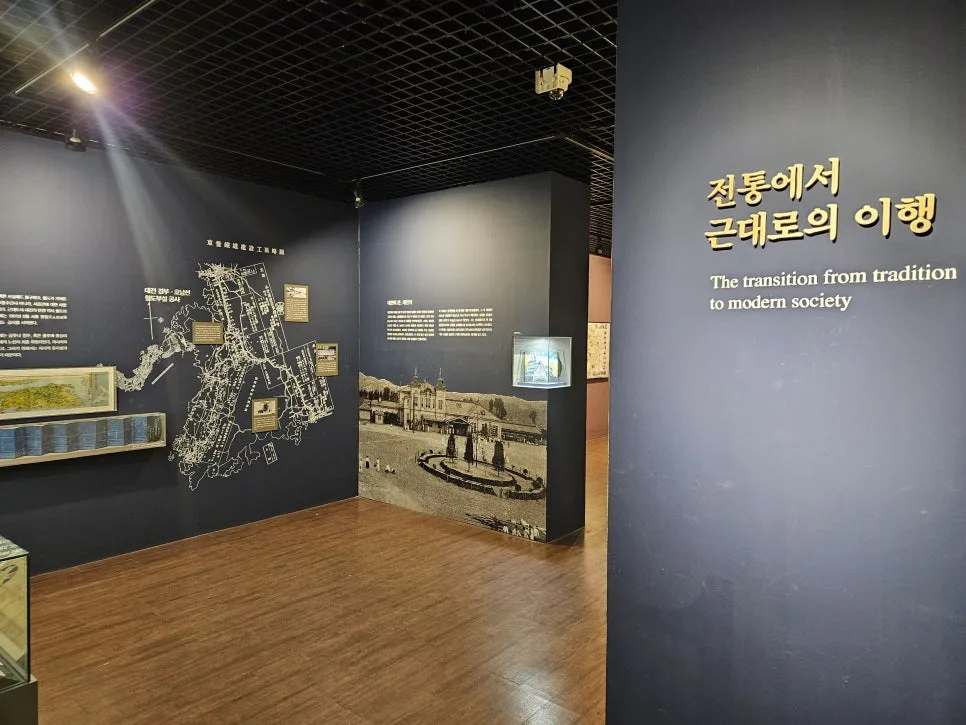
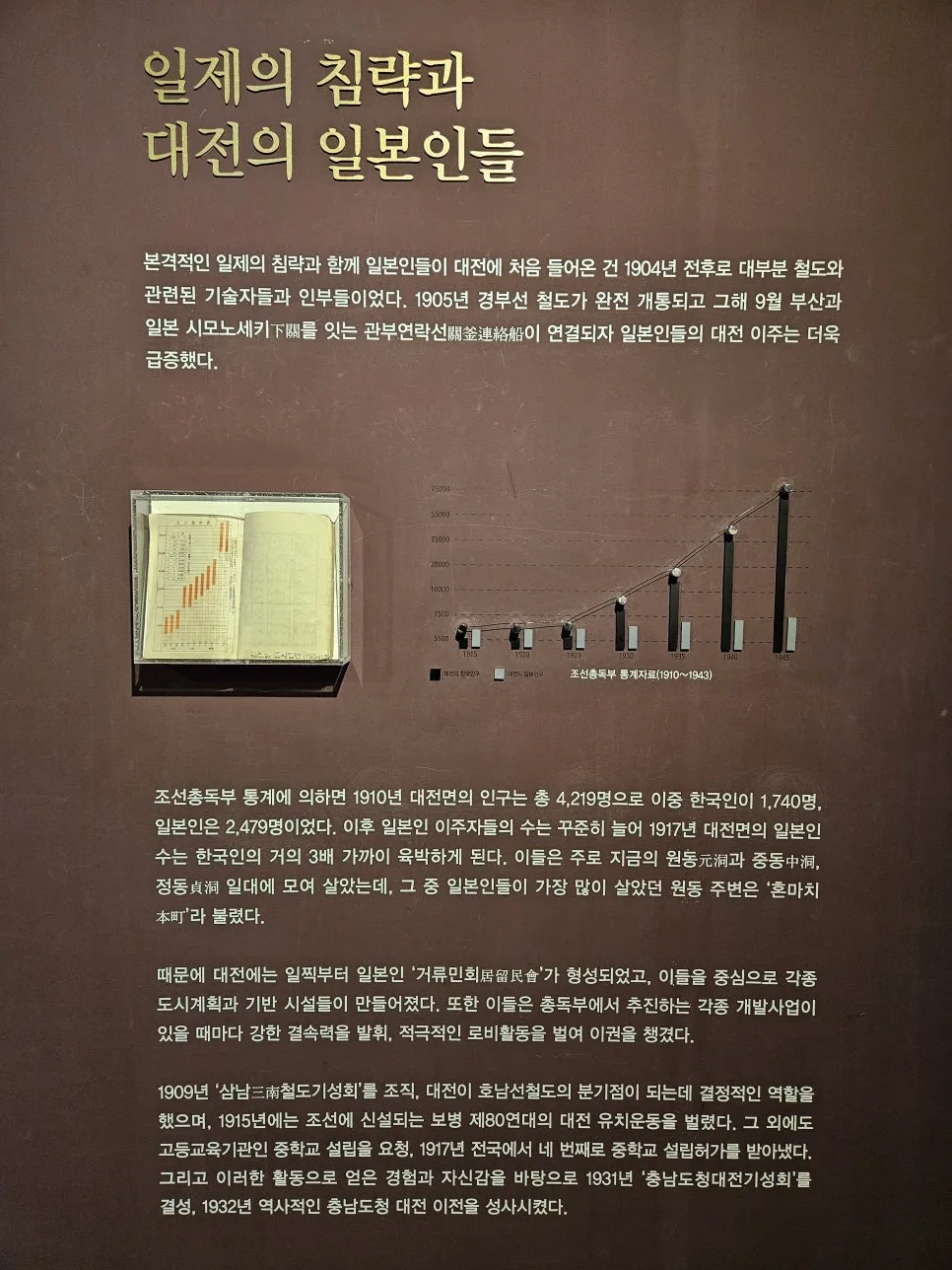
Japanese imperial invasion and the Japanese community in Daejeon
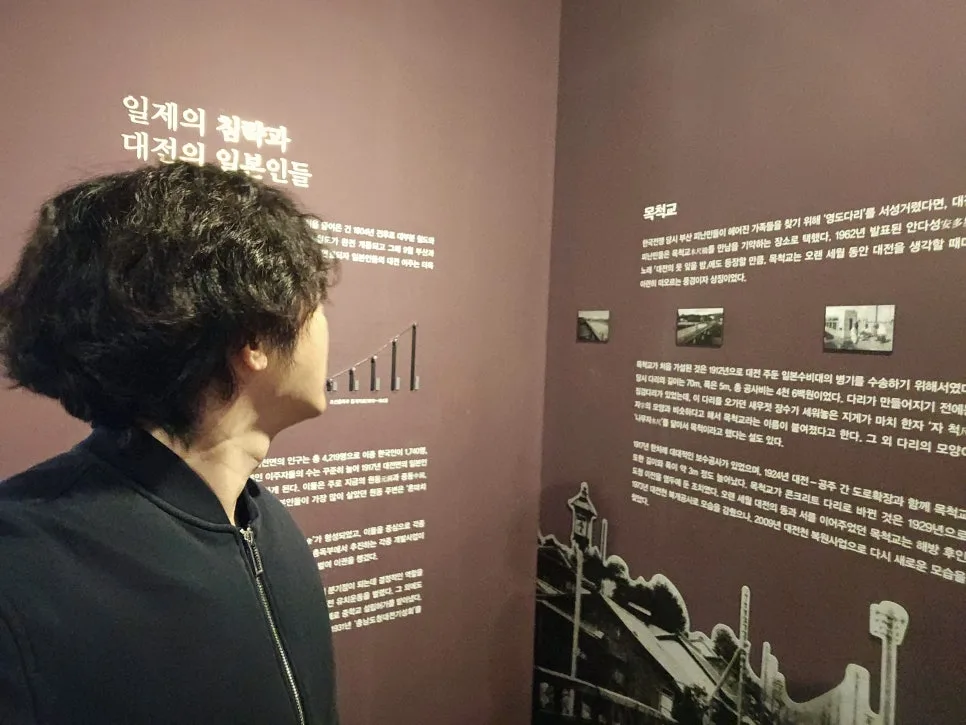
As I moved through the exhibits, the first story that really caught my eye was about Yeonjae Song Byeong-seon.
After the 1905 Eulsa Treaty stripped Korea of its diplomatic sovereignty, many patriots chose resistance or even death in protest. Song Byeong-seon was introduced here as one of the representative figures who chose martyrdom in the face of that national crisis.
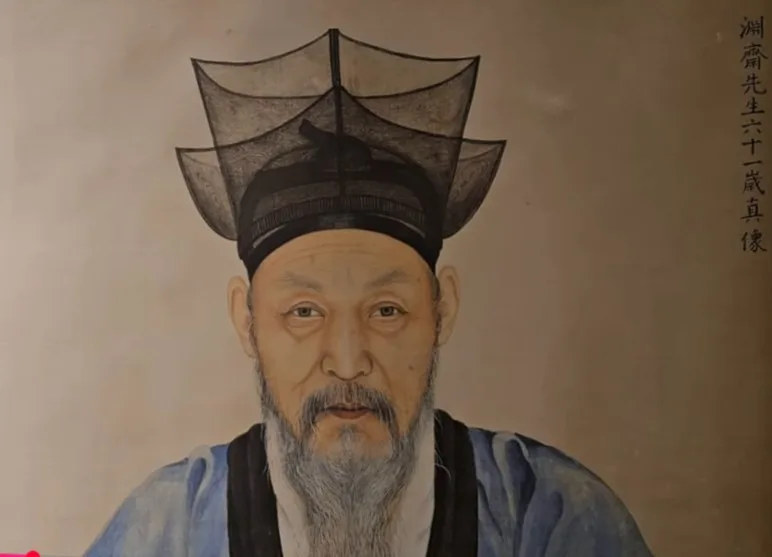
Yeonjae Song Byeong-seon
What I appreciated about this exhibition was that it didn’t just list historical events. It also explained the atmosphere of the era and the spirit behind why people fought so desperately to protect the country.
I was especially struck by the section on the Wijeong Cheoksa Movement.
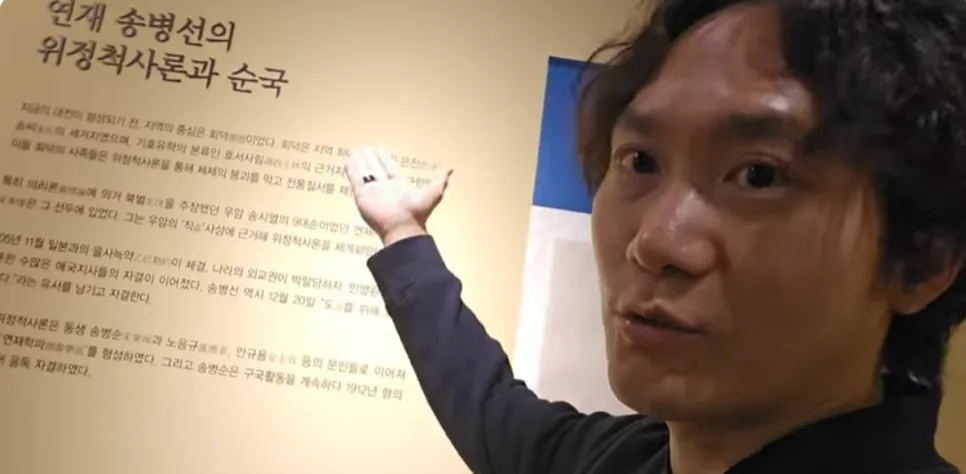
Defend what is right, reject what is wrong
It reminded me that people at the time weren’t simply resisting foreign powers. They were fighting to protect the nation’s spirit and traditional order.
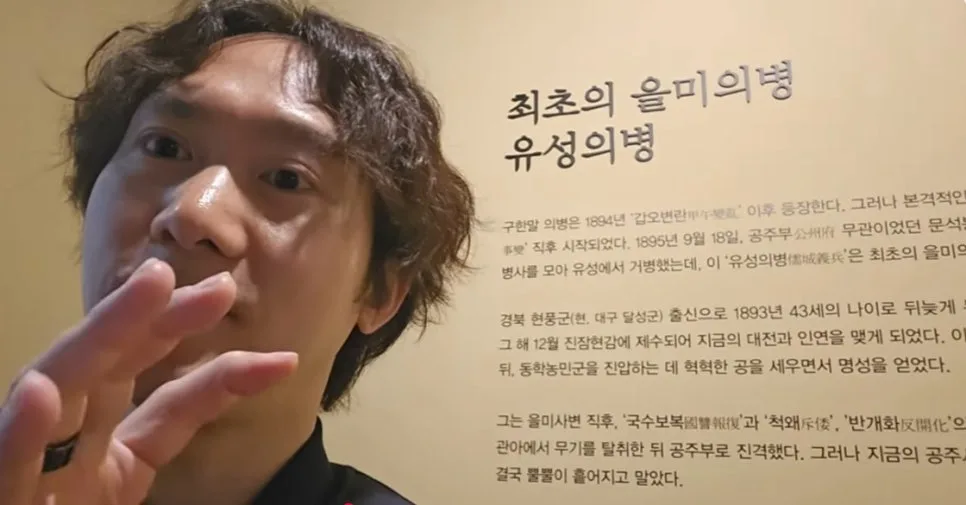
I also learned that Yuseong Righteous Army, here in Daejeon, was considered the first righteous army of the Eulmi Uprising.
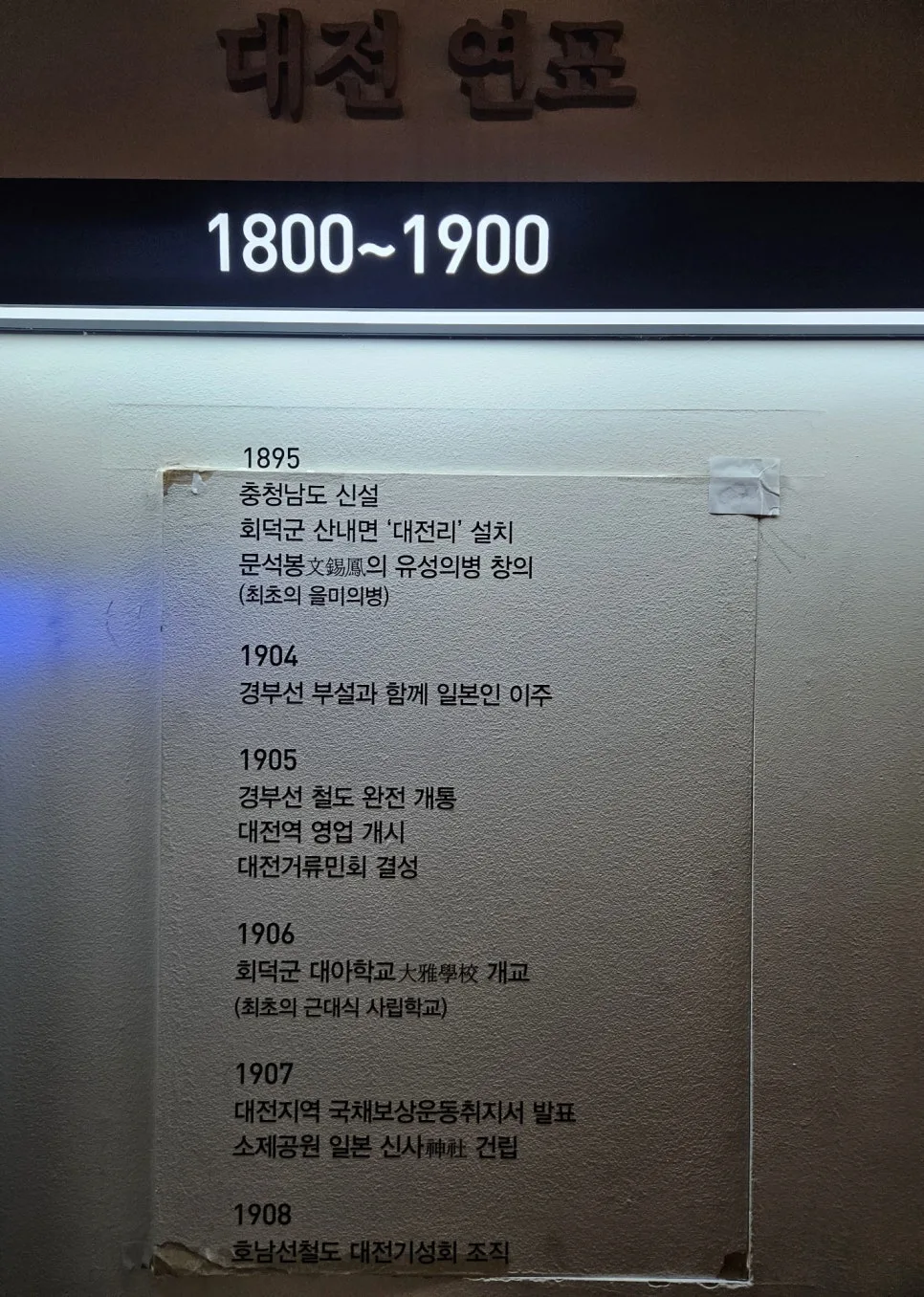
And to me, one of the historical movements that best expresses Kyeoreol is the National Debt Repayment Movement. One of the most eye-opening parts of this exhibition was learning about Daejeon’s role in that movement.
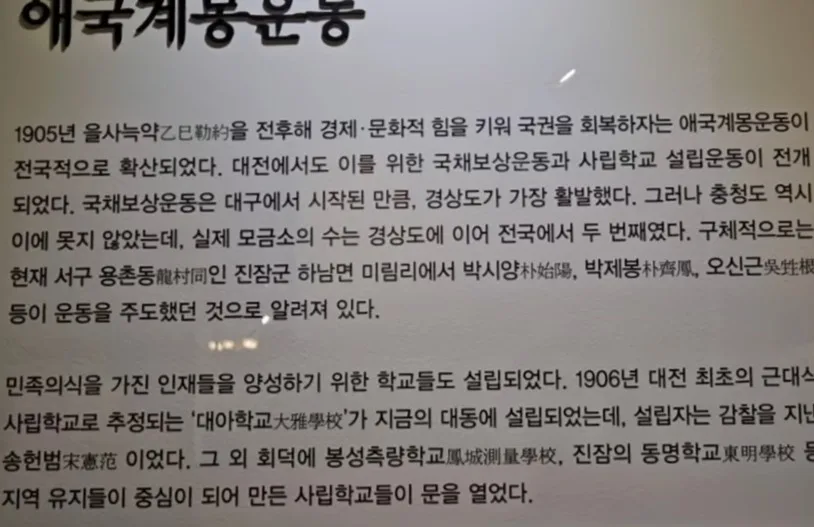
When people think of the National Debt Repayment Movement, they usually think of Daegu first. But Chungcheong Province also took part very actively.
In fact, the number of fundraising offices there was reportedly the second highest in the country after Gyeongsang Province.
Seeing how ordinary people raised money on their own, founded schools, and tried to strengthen national consciousness in order to protect the country made me realize that Kyeoreol is not just a slogan.
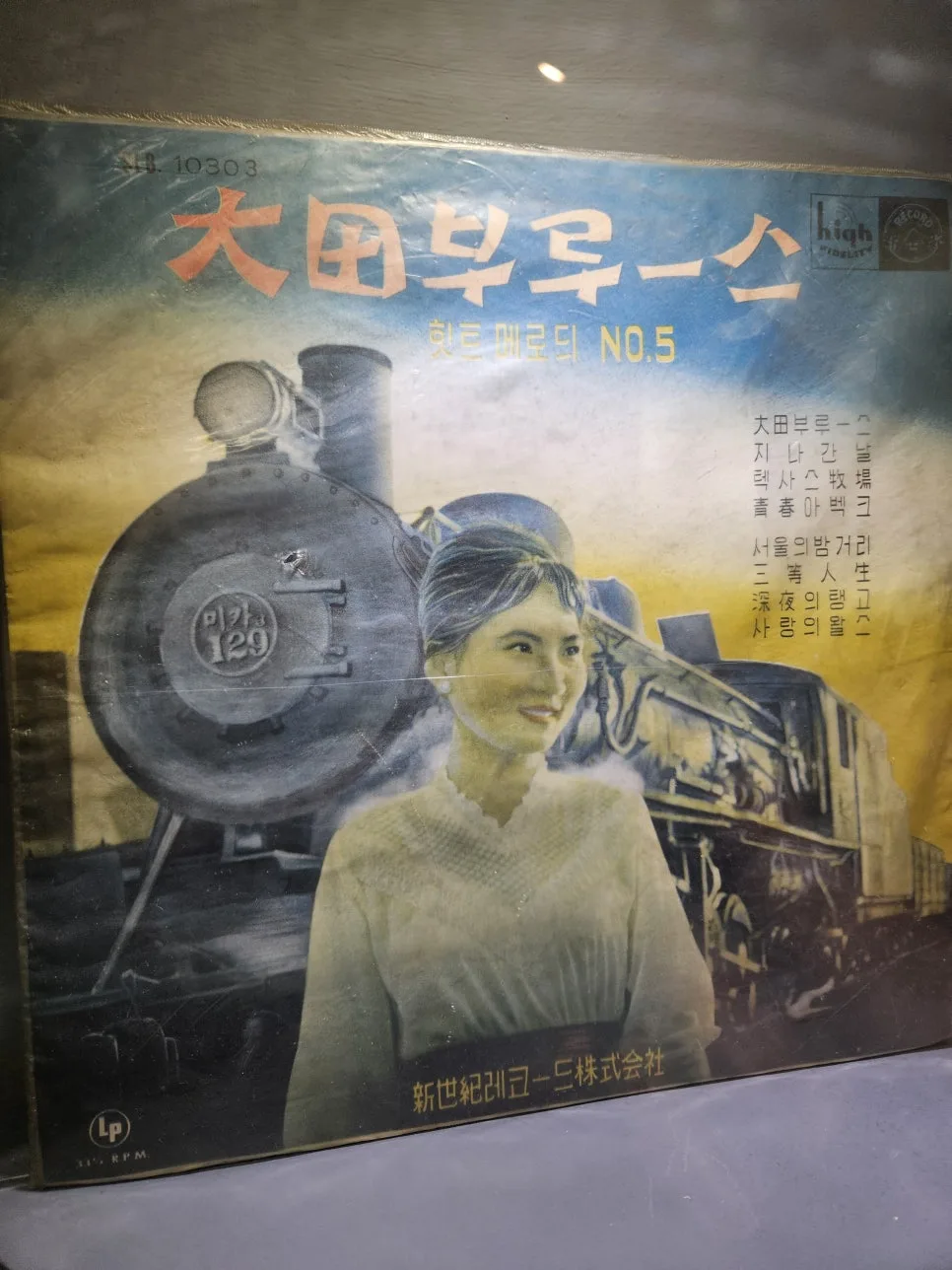
The most unexpected story
A Japanese man who opposed colonial rule
The part of the exhibition that stayed with me most was also the most unexpected: the story of Tsuji Mantarō, the Japanese businessman behind the Fujichu Soy Sauce Factory in Daejeon.
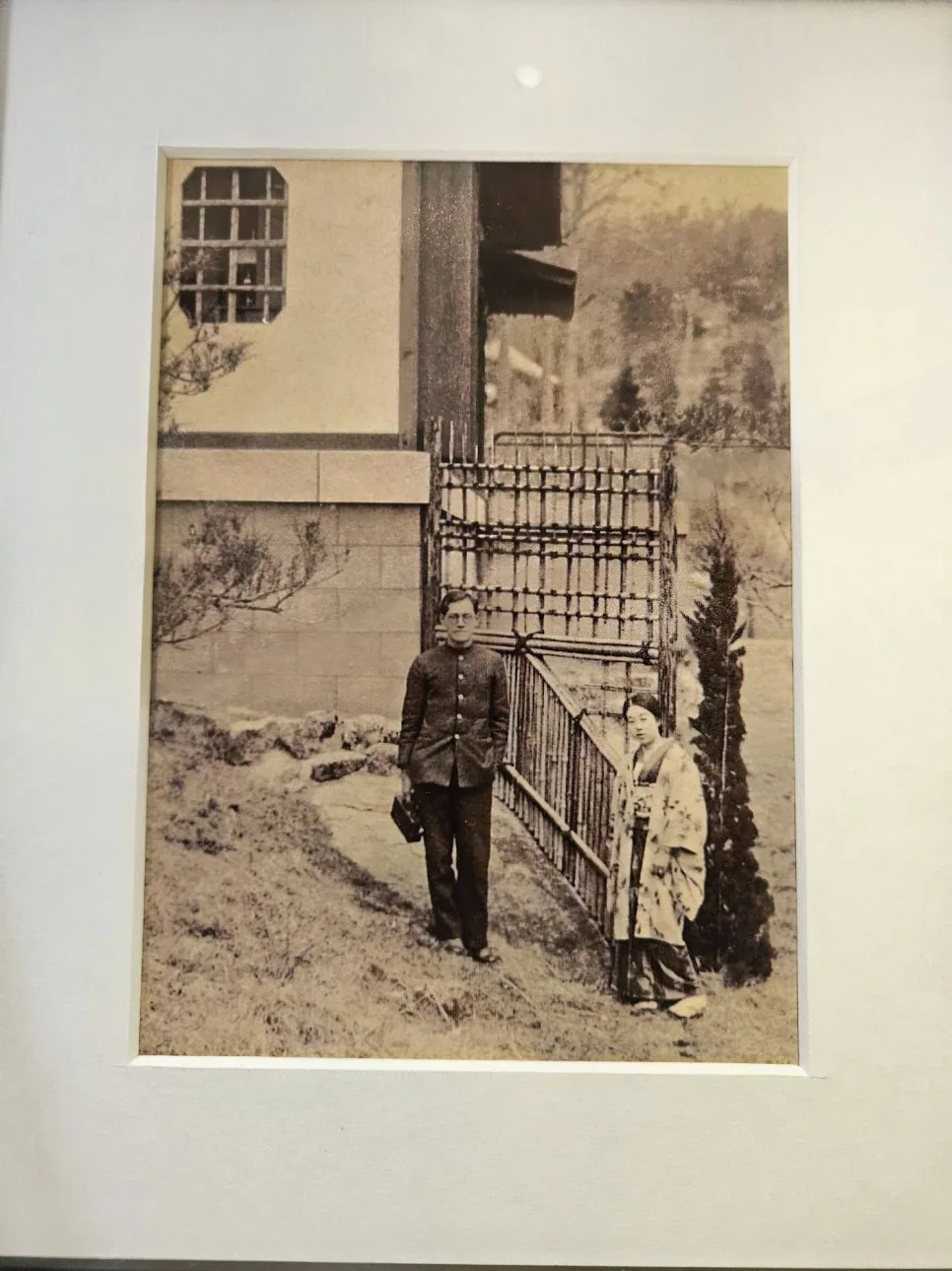
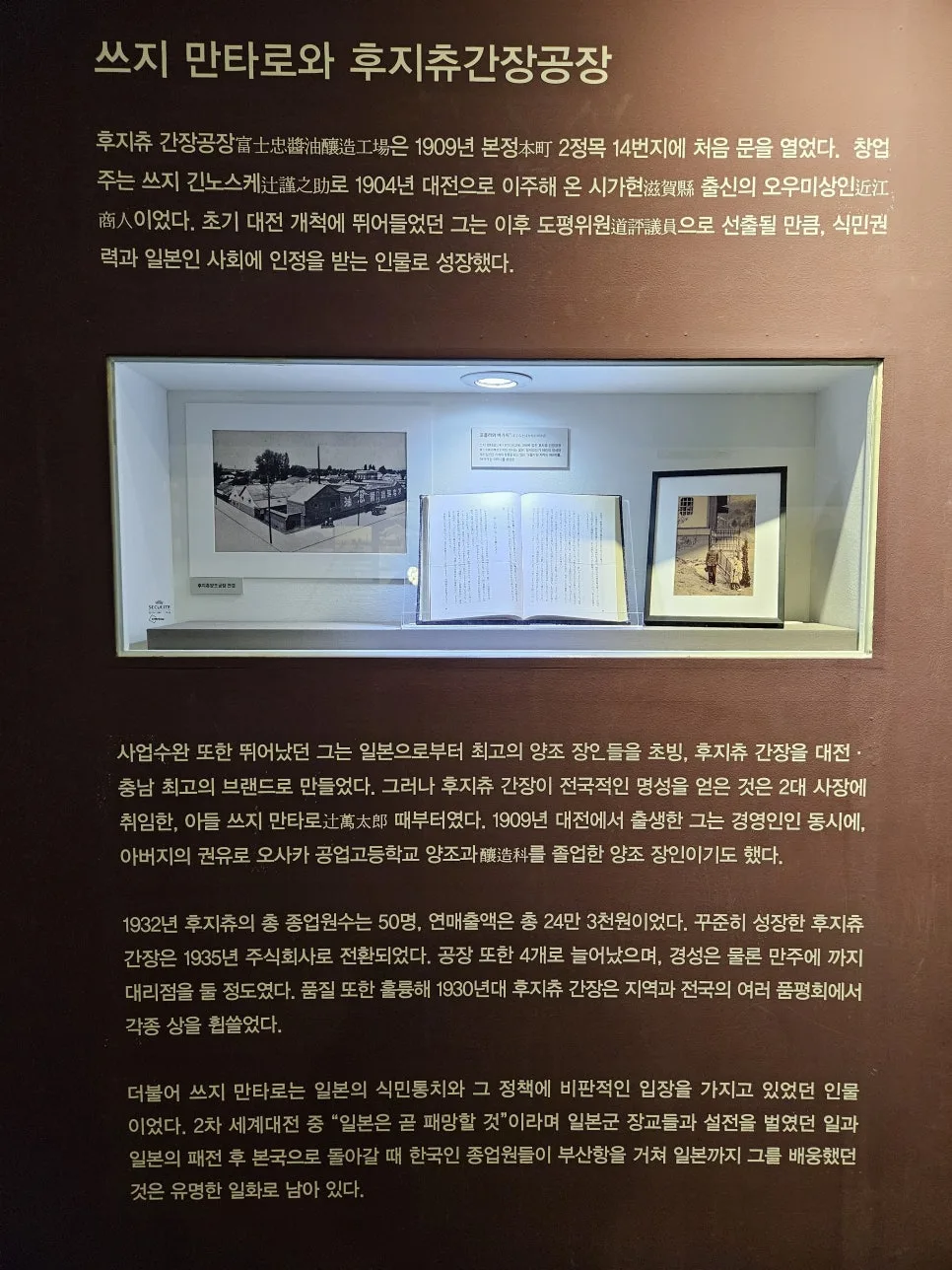
Records show that many Japanese settlers lived in Daejeon at the time, but this exhibit highlighted someone who tried to live alongside Koreans without discriminating against them.
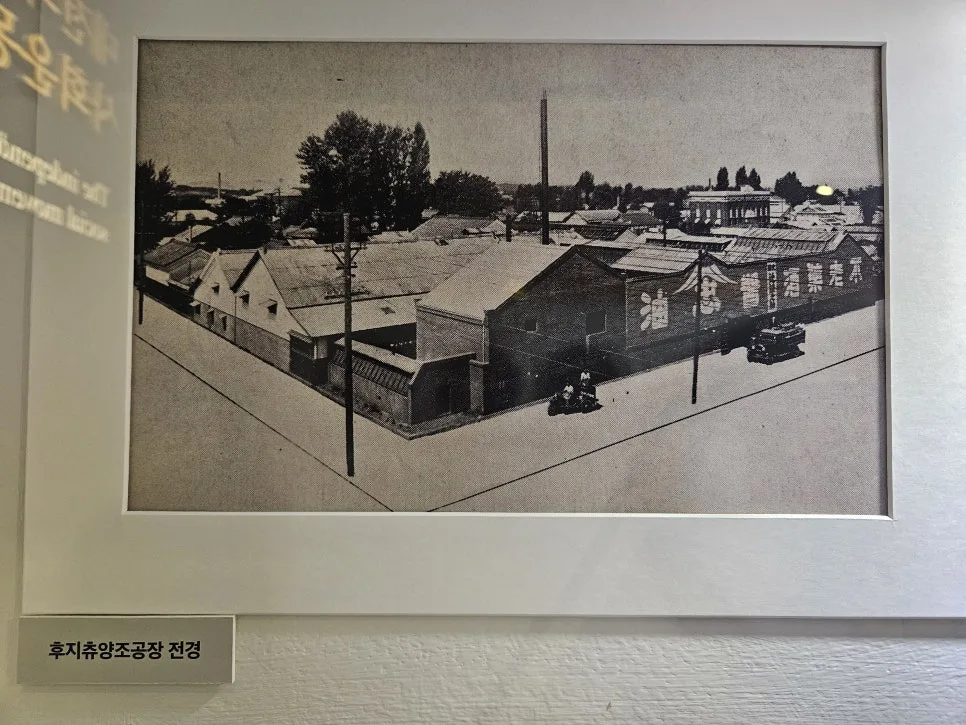
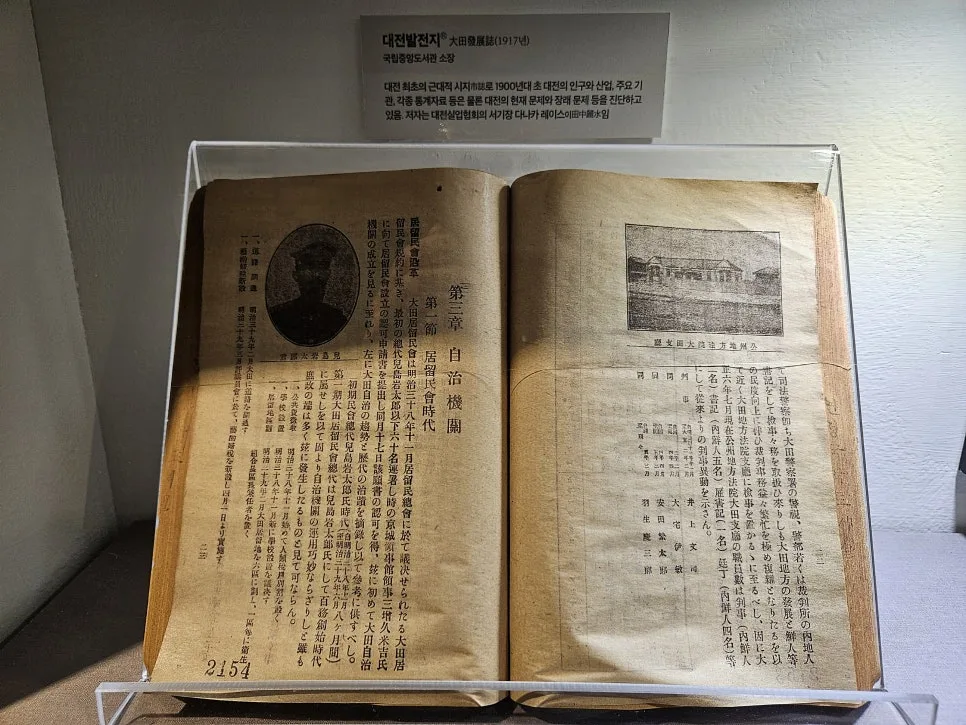
Tsuji Mantarō reportedly even told Japanese military officers during World War II that Japan would ultimately lose the war, and he openly argued that colonial rule was wrong.
Considering the atmosphere of that era, those were incredibly dangerous things to say. That may be why, after liberation, Korean employees are said to have accompanied him all the way to Busan Port when he returned to Japan.
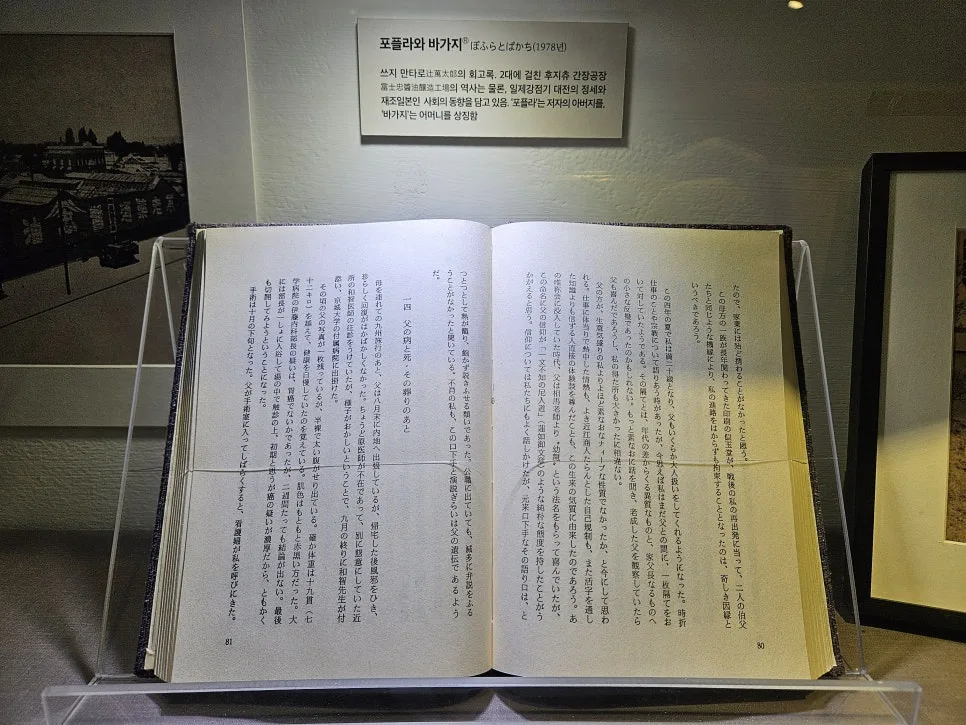
It made me think that history can’t be understood in simple black-and-white terms, and this exhibition also left me reflecting on human character itself.
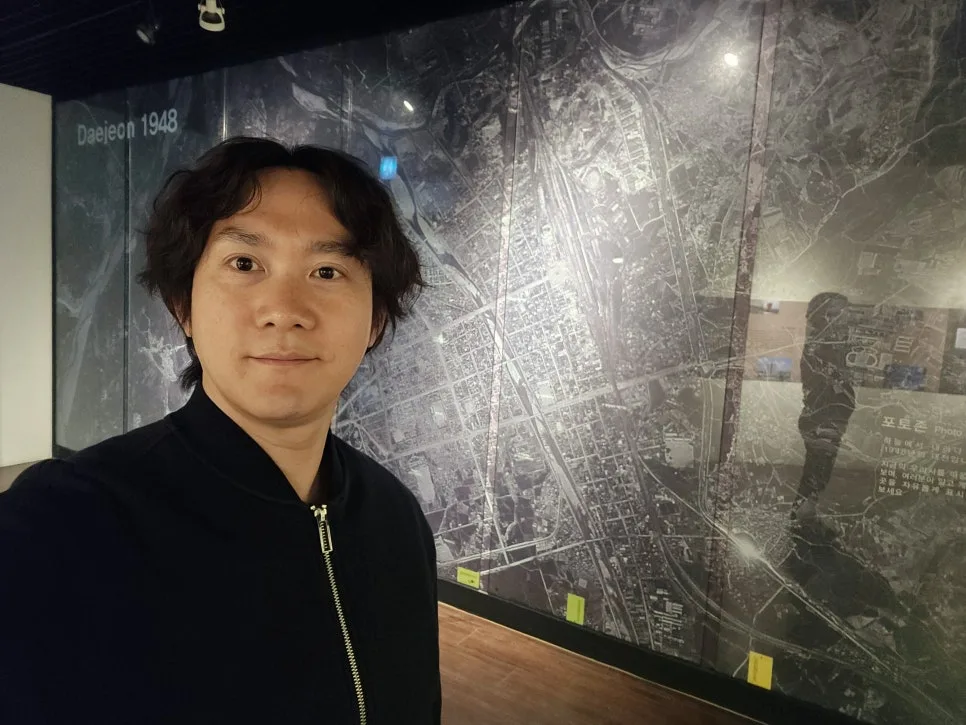
A trip where you encounter Kyeoreol
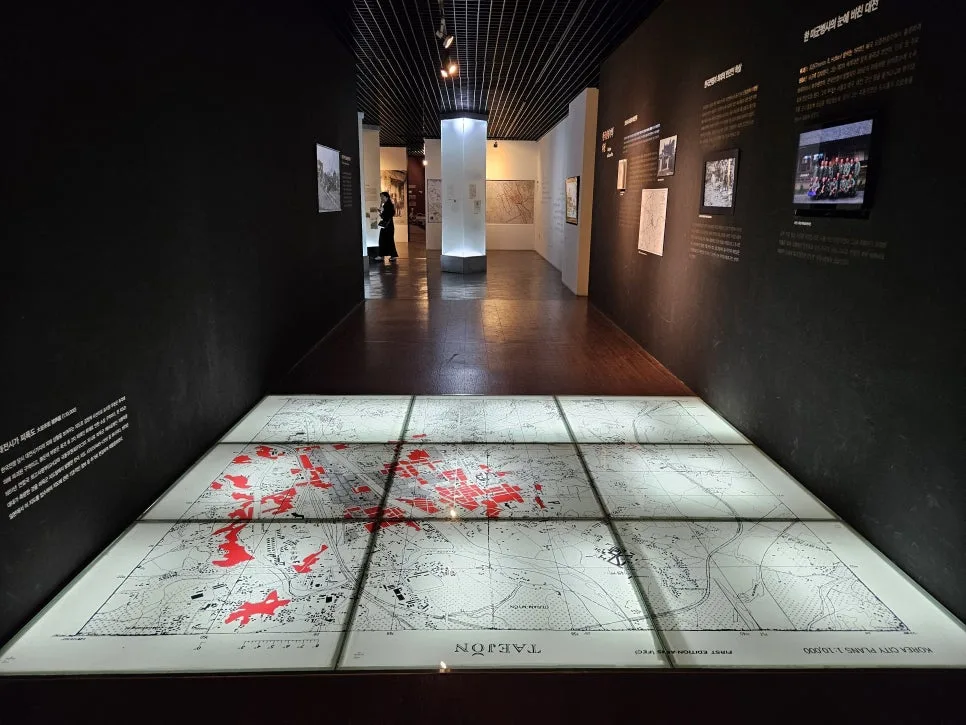
Through this Kyeoreol Supporters activity, I feel like I came to understand the word “Kyeoreol” in a much more real and grounded way.
It’s not something grand or abstract.
It’s the desire to protect one’s country,
the attitude of wanting to live with dignity,
and the act of recording history so it won’t be forgotten.
Maybe that’s what Kyeoreol really is.
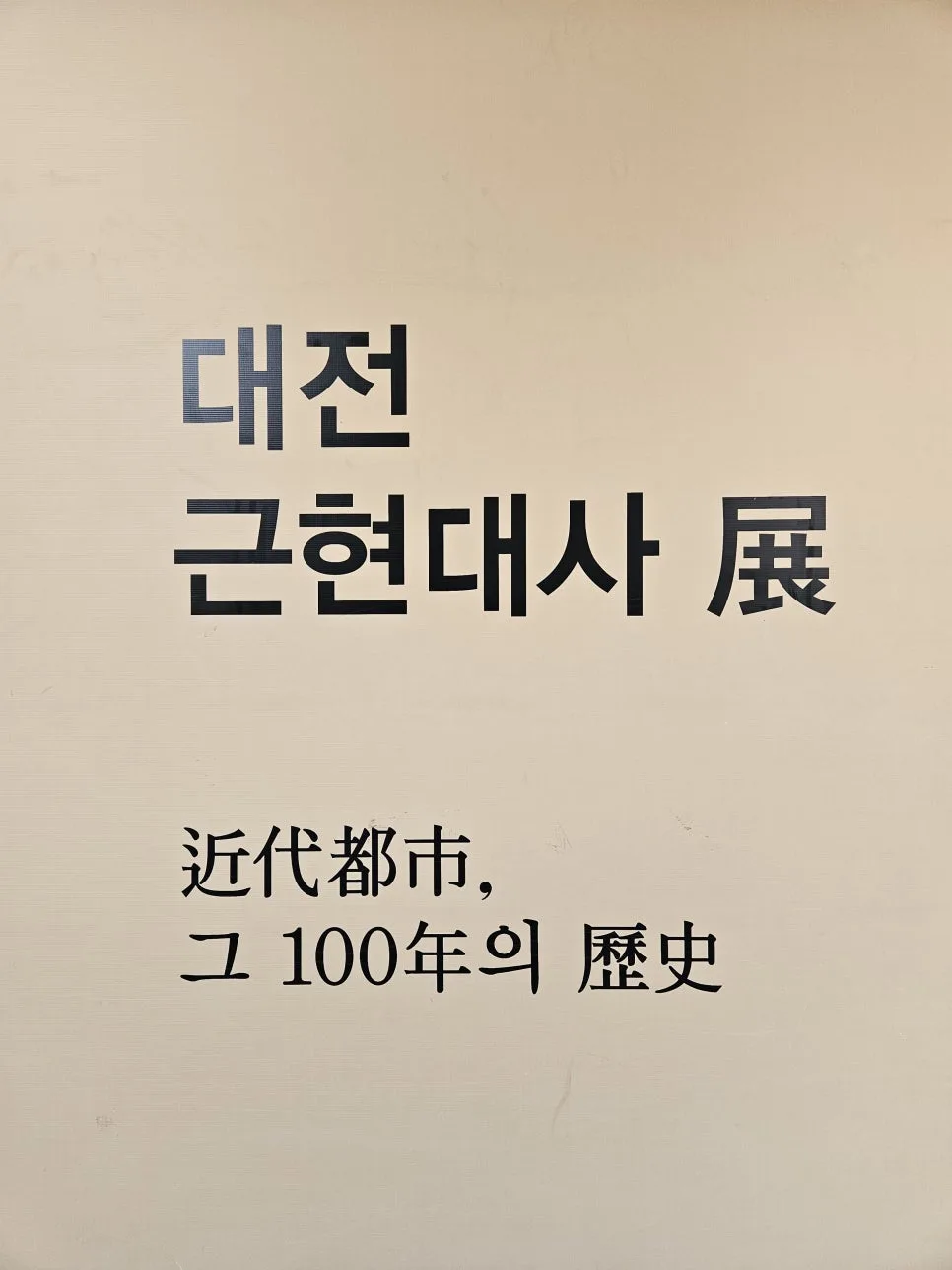
If you want to experience Kyeoreol for yourself,
I strongly recommend adding this to your Daejeon itinerary.
If you’re planning a trip to Daejeon, South Korea, don’t just stop by Seongsimdang and head home. Make time for the Daejeon Modern History Exhibition Hall too.
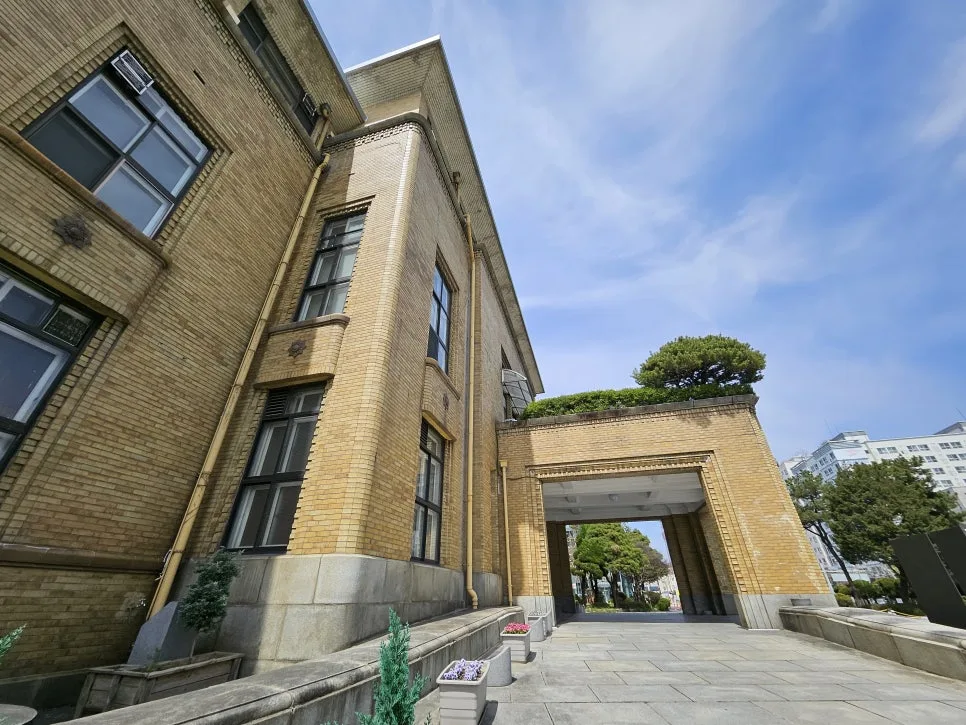
Mr. Sunshine filming location vibes
Beautiful early modern architecture photo spots
Stories of the independence movement and patriotic enlightenment movement
A meaningful history experience with kids
Free admission
It was one of those rare places where you can experience all of that in one visit.
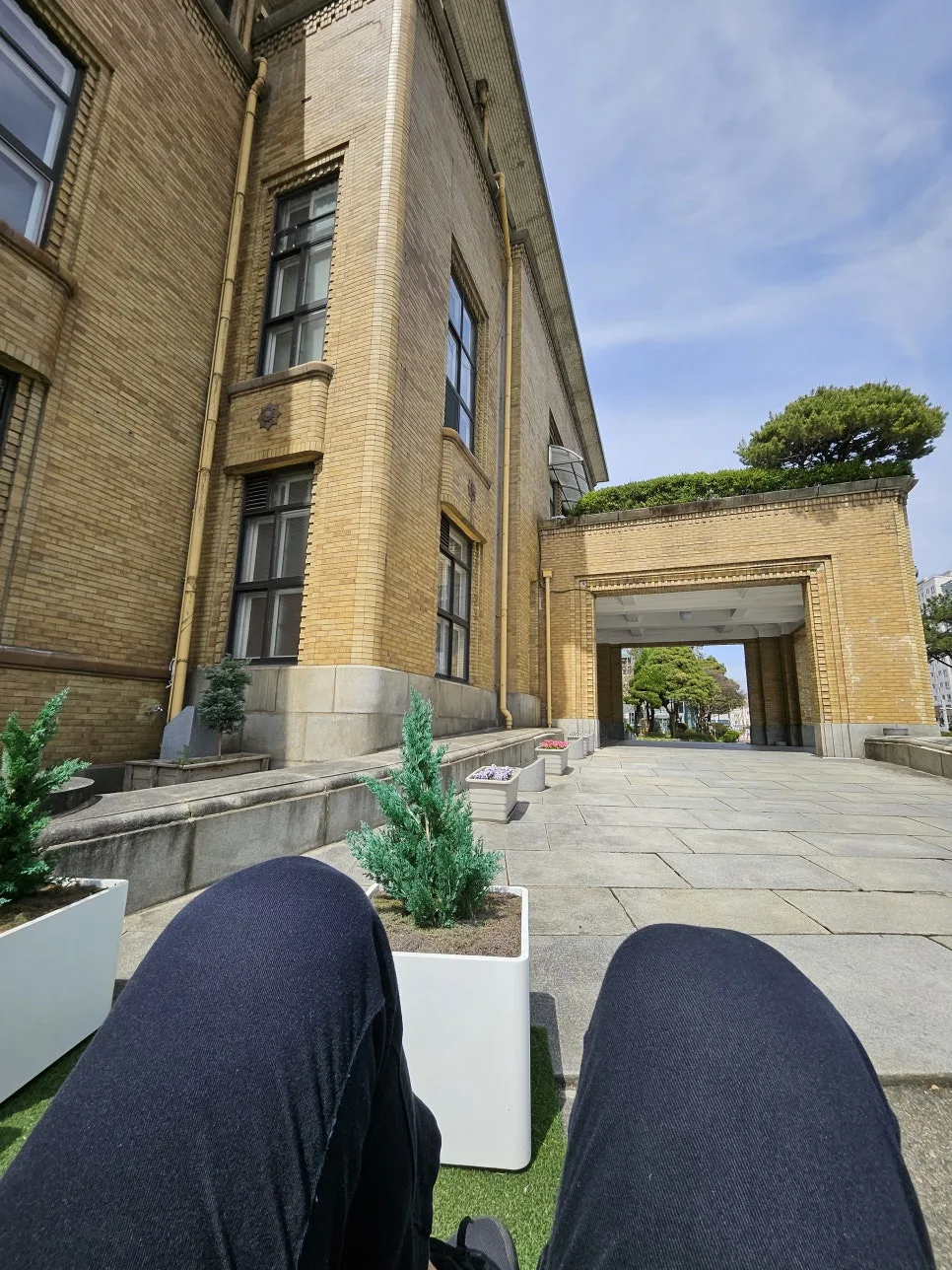
If you want to understand Daejeon on a deeper level, this is a place I genuinely recommend.
The 2026 Kyeoreol Revival Project, sponsored by the Ministry of Culture, Sports and Tourism, will continue. I’ll keep sharing stories as I travel in search of Kyeoreol in Korea and beyond.
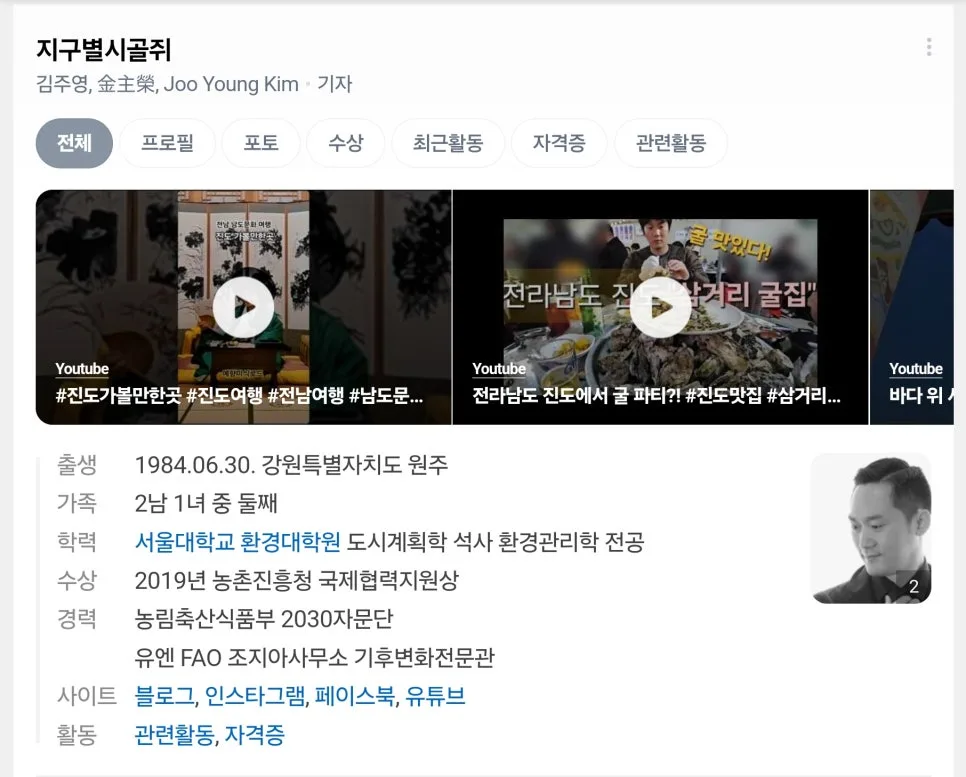
Written by
Joonimism, a travel blogger/YouTuber who reads as much as she travels
Thank you.
I’ll keep uploading my travel videos on YouTube, so stay tuned. Wishing you all happy travels.
#MinistryOfCultureSportsAndTourism #Kyeoreol #3rdKyeoreolSupporters #KyeoreolRevival #KyeoreolSupporters #DaejeonDayTrip #BestPlacesToVisitInDaejeon #DaejeonModernHistoryExhibitionHall #DaejeonTravel #DaejeonAttractions #MrSunshineFilmingLocation #1212TheDayFilmingLocation #TheAttorneyFilmingLocation #DaejeonDateSpot #KoreaTravel #HistoryTravel #DaejeonHistoryTrip #IndependenceMovement #ModernKoreanHistory #DaejeonHotPlace #Seongsimdang #TravelBlogger #Joonimism